Buy wnxu.com ?
We are moving the project
wnxu.com .
Are you interested in purchasing the domain
wnxu.com ?
domain@kv-gmbh.de · 0541-91531010
Buy wnxu.com ?
How can one analyze a music file?
One can analyze a music file by examining its metadata, such as the artist, album, and genre information embedded in the file. Additionally, one can use software tools to analyze the audio characteristics of the music file, such as its frequency spectrum, tempo, and key signature. By studying these elements, one can gain insights into the composition and production of the music file. **
Can someone analyze a piece of music?
Yes, someone can analyze a piece of music by examining its structure, harmony, melody, rhythm, and instrumentation. They can also consider the historical and cultural context of the music, as well as the composer's intentions. By breaking down these elements, a music analyst can gain a deeper understanding of the piece and its artistic significance. This analysis can be used to interpret the music's emotional impact, its technical complexity, and its place within the broader musical tradition. **


Similar search terms for Analyze
Top-Angebote
Products related to Analyze:




-
How do you analyze a fugue in music?
Analyzing a fugue in music involves identifying the main theme, or subject, and its variations throughout the piece. It also involves recognizing the different voices or parts that enter with the subject in a contrapuntal manner. Paying attention to the development and interplay of these voices, as well as the use of different techniques such as inversion, retrograde, and augmentation, is crucial in understanding the structure and complexity of a fugue. Additionally, analyzing the overall form, key changes, and relationships between the different sections of the fugue can provide insight into the composer's intentions and creative choices. **
-
How does one analyze a fugue in music?
Analyzing a fugue in music involves identifying the main theme, or subject, and its variations throughout the piece. One must also recognize the different voices or parts that enter with the subject in a contrapuntal manner. It is important to pay attention to the development of the subject, as well as any episodes or sections that provide contrast to the main theme. Finally, understanding the overall structure and form of the fugue, such as the exposition, episodes, and final statement of the subject, is crucial in analyzing this complex musical form. **
-
How do I analyze a fugue in music?
To analyze a fugue in music, start by identifying the subject, countersubject, and episodes within the piece. Pay attention to the entrances of the subject in different voices and how they interact with each other. Look for instances of stretto, where the subject is imitated in a close overlapping manner. Consider the tonal structure and how the piece modulates between different keys. Finally, examine the overall form and structure of the fugue, including the exposition, development, and recapitulation. **
-
How do you analyze a piece of music?
Analyzing a piece of music involves examining its structure, instrumentation, harmony, melody, rhythm, and dynamics. It also involves understanding the historical and cultural context in which the music was created. Additionally, it is important to consider the emotional and expressive qualities of the music, as well as the composer's intentions. By breaking down these elements and considering them in relation to each other, one can gain a deeper understanding of the music and its impact on the listener. **

How do I analyze a song for music class?
When analyzing a song for a music class, start by listening to the song multiple times to familiarize yourself with its structure, instrumentation, and lyrics. Pay attention to the melody, harmony, rhythm, and dynamics used in the song. Consider the genre, historical context, and cultural influences that may have shaped the music. Finally, analyze the emotional impact of the song and how it connects with the listener. **
How do I analyze a piece of Romantic music?
To analyze a piece of Romantic music, start by examining the overall structure and form of the composition. Look for recurring themes, motifs, and musical developments throughout the piece. Consider the use of dynamics, tempo, and expressive markings to understand the emotional and dramatic elements of the music. Additionally, pay attention to the harmonic language, tonal shifts, and use of chromaticism to understand the composer's innovative approach to harmony. Finally, consider the historical and cultural context of the piece to gain insight into the composer's intentions and the impact of the Romantic era on the music. **
Top-Angebote
Products related to Analyze:
-
Roku HD Streaming StickTransform any TV into America’s #1 streaming platform with the Roku Streaming Stick HD. Enjoy quick access to 500+ free HD channels, including live news, sports, weather, and more — all from a sleek, compact device that stays out of sight. Key Features TV Streaming Made Easy: Explore popular apps, free movies, shows, and live TV effortlessly. Streaming has never been simpler or more fun. Compact Design, No Compromises: The stick’s slim design won’t block adjacent HDMI ports and even powers directly from your TV — no wall outlet or extra cords needed. All-in-One Remote: Control your TV and Roku device with a single remote. Adjust volume, power on/off, and search using voice commands. Portable Entertainment: Take your favorite shows with you while traveling without needing to log in on other devices. Bluetooth Headphone Mode: Stream privately by pairing your headphones directly to the Roku Streaming Stick. Apps & Entertainment BBC iPlayer All 4 Netflix Amazon Prime Video YouTube Apple TV+ Disney+ Vimeo Movie rentals Interfaces & Connectivity Wi-Fi enabled General Information Remote control included Compatible with HD TVs EAN: 82961000844827,99 £*Shipping: 0,00 £Secure redirect to the provider
-
Ronald Redding Streaming Cheetah Linen WallpaperMarble veining and animal skin combine to compose a stream of color and print in pattern Streaming Cheetah. This Streaming Cheetah Wallpaper measures approximately 27 inches wide by 27 feet long, covering About 60.8 square feet per roll.170,00 $*Shipping: 0,00 $Secure redirect to the provider
-
How can one analyze a music file?
One can analyze a music file by examining its metadata, such as the artist, album, and genre information embedded in the file. Additionally, one can use software tools to analyze the audio characteristics of the music file, such as its frequency spectrum, tempo, and key signature. By studying these elements, one can gain insights into the composition and production of the music file. **
-
Can someone analyze a piece of music?
Yes, someone can analyze a piece of music by examining its structure, harmony, melody, rhythm, and instrumentation. They can also consider the historical and cultural context of the music, as well as the composer's intentions. By breaking down these elements, a music analyst can gain a deeper understanding of the piece and its artistic significance. This analysis can be used to interpret the music's emotional impact, its technical complexity, and its place within the broader musical tradition. **
-
How do you analyze a fugue in music?
Analyzing a fugue in music involves identifying the main theme, or subject, and its variations throughout the piece. It also involves recognizing the different voices or parts that enter with the subject in a contrapuntal manner. Paying attention to the development and interplay of these voices, as well as the use of different techniques such as inversion, retrograde, and augmentation, is crucial in understanding the structure and complexity of a fugue. Additionally, analyzing the overall form, key changes, and relationships between the different sections of the fugue can provide insight into the composer's intentions and creative choices. **
-
How does one analyze a fugue in music?
Analyzing a fugue in music involves identifying the main theme, or subject, and its variations throughout the piece. One must also recognize the different voices or parts that enter with the subject in a contrapuntal manner. It is important to pay attention to the development of the subject, as well as any episodes or sections that provide contrast to the main theme. Finally, understanding the overall structure and form of the fugue, such as the exposition, episodes, and final statement of the subject, is crucial in analyzing this complex musical form. **
Similar search terms for Analyze
-
Razer Seiren Mini – USB Condenser Microphone for Streaming, Used - GoodOverview The Razer Seiren Mini is a compact, professional-grade USB condenser microphone designed to deliver crisp, clear audio for streamers, gamers, podcasters and home workers. With its ultra-precise supercardioid pickup pattern and plug-and-play USB connectivity, it offers studio-level voice capture in a small, stylish form factor. Perfect for desktops with limited space, this microphone enhances your recordings and live streams with exceptional clarity and noise reduction. Key Features • Ultra-precise supercardioid pickup pattern for focused voice capture • Professional-grade 14mm condenser capsule for rich, clear audio • Compact, minimalist design ideal for small setups • Built-in shock mount to minimise vibrations and accidental knocks • Plug-and-play USB connectivity for instant setup • Heavy-duty adjustable stand for stable desk placement • Compatible with Windows, macOS and popular streaming platforms • Available in a sleek matte black finish Benefits The Razer Seiren Mini delivers broadcast-quality audio without requiring complex setups or bulky equipment. Its supercardioid pattern reduces background noise, making your voice stand out clearly during live streams, calls or recordings. Compact yet powerful, it fits seamlessly into any workspace and ensures a clean, professional sound experience for gaming, content creation and online meetings. Specifications Table Specification Details Model Razer Seiren Mini Type USB Condenser Microphone Pickup Pattern Supercardioid Capsule Size 14mm Connectivity USB Frequency Response 20Hz – 20kHz Sample Rate 44.1kHz / 48kHz Bit Depth 16-bit Dimensions Approx. 9.0 x 5.0 x 5.0cm (mic body) Weight Approx. 160g (mic only) Compatibility Windows, macOS, streaming platforms Colour Black39,00 £*Shipping: 0,00 £Secure redirect to the provider
-
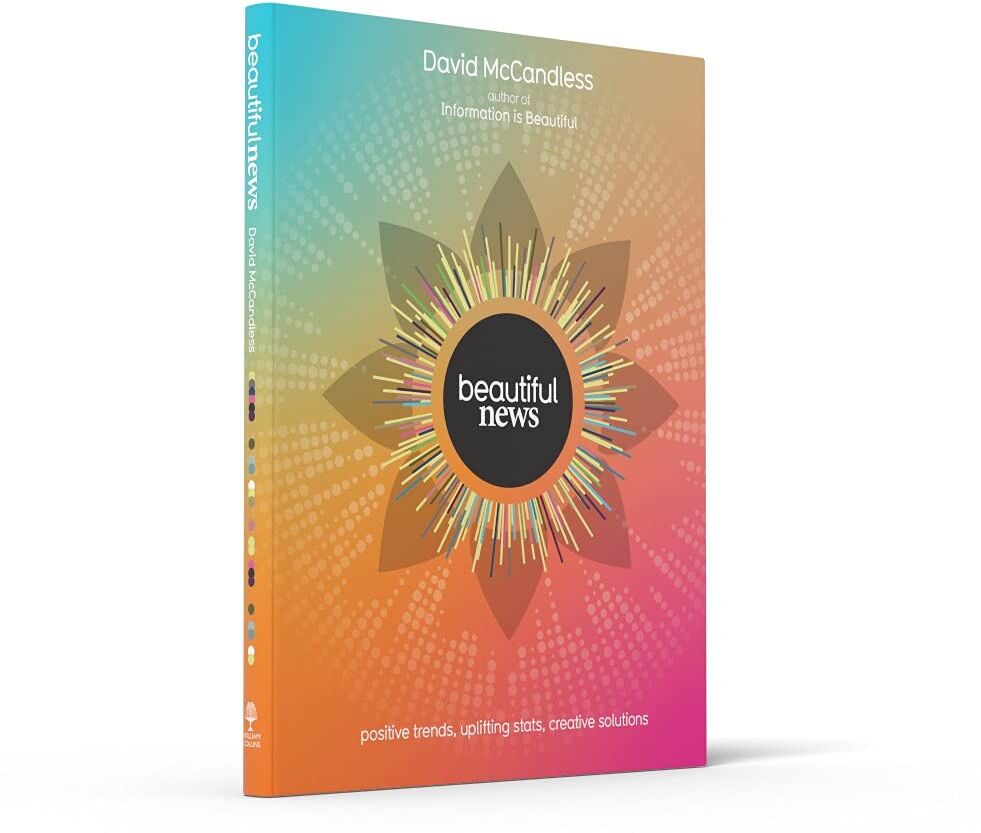
William Collins Beautiful News: Positive Trends, Uplifting Stats, Creative Solutions by David McCandlessIn this fascinating follow-up to the bestselling Information is Beautiful and Knowledge is Beautiful, the king of infographics David McCandless uses spectacular visuals to give us all a bit of good news. We are living in the Information Age, in which we are constantly bombarded with data – on television, in print and online. How can we relate to this mind-numbing overload? Enter David McCandless and his amazing infographics: simple, elegant ways to understand information too complex or abstract to grasp any way but visually. In his unique signature style, he creates dazzling displays that blend facts with their connections, contexts and relationships, making information meaningful, entertaining – and beautiful. In his highly anticipated third book, McCandless illustrates positive news from around the world, for an informative, engaging and uplifting collection of new infographic art.5,99 £*Shipping: 2,99 £Secure redirect to the provider
-
How do I analyze a fugue in music?
To analyze a fugue in music, start by identifying the subject, countersubject, and episodes within the piece. Pay attention to the entrances of the subject in different voices and how they interact with each other. Look for instances of stretto, where the subject is imitated in a close overlapping manner. Consider the tonal structure and how the piece modulates between different keys. Finally, examine the overall form and structure of the fugue, including the exposition, development, and recapitulation. **
-
How do you analyze a piece of music?
Analyzing a piece of music involves examining its structure, instrumentation, harmony, melody, rhythm, and dynamics. It also involves understanding the historical and cultural context in which the music was created. Additionally, it is important to consider the emotional and expressive qualities of the music, as well as the composer's intentions. By breaking down these elements and considering them in relation to each other, one can gain a deeper understanding of the music and its impact on the listener. **
-
How do I analyze a song for music class?
When analyzing a song for a music class, start by listening to the song multiple times to familiarize yourself with its structure, instrumentation, and lyrics. Pay attention to the melody, harmony, rhythm, and dynamics used in the song. Consider the genre, historical context, and cultural influences that may have shaped the music. Finally, analyze the emotional impact of the song and how it connects with the listener. **
-
How do I analyze a piece of Romantic music?
To analyze a piece of Romantic music, start by examining the overall structure and form of the composition. Look for recurring themes, motifs, and musical developments throughout the piece. Consider the use of dynamics, tempo, and expressive markings to understand the emotional and dramatic elements of the music. Additionally, pay attention to the harmonic language, tonal shifts, and use of chromaticism to understand the composer's innovative approach to harmony. Finally, consider the historical and cultural context of the piece to gain insight into the composer's intentions and the impact of the Romantic era on the music. **
* All prices are inclusive of VAT and, if applicable, plus shipping costs. The offer information is based on the details provided by the respective shop and is updated through automated processes. Real-time updates do not occur, so deviations can occur in individual cases. ** Note: Parts of this content were created by AI.