Buy wnxu.com ?
We are moving the project
wnxu.com .
Are you interested in purchasing the domain
wnxu.com ?
domain@kv-gmbh.de · 0541-91531010
Buy wnxu.com ?
Is music rejected in Buddhism?
Music is not explicitly rejected in Buddhism, but its role and significance can vary among different Buddhist traditions. Some Buddhist practices, such as chanting and ceremonial music, are considered important for meditation and spiritual development. However, excessive attachment to music or using it as a distraction from spiritual practice may be discouraged in some Buddhist teachings, as it can hinder one's ability to cultivate mindfulness and inner peace. Ultimately, the attitude towards music in Buddhism depends on the individual's intentions and how it is incorporated into their spiritual practice. **
What role does music play in Buddhism?
Music plays a significant role in Buddhism as a means of spiritual practice and expression. Chanting and recitation of sacred texts, known as sutras, are an integral part of Buddhist rituals and ceremonies, often accompanied by traditional musical instruments such as bells, drums, and gongs. The use of music in meditation and mindfulness practices helps to create a peaceful and harmonious atmosphere, aiding in the cultivation of inner peace and spiritual awareness. Additionally, devotional songs and hymns are used to express reverence and devotion to the Buddha and other enlightened beings, fostering a sense of connection and inspiration within the Buddhist community. **

Similar search terms for Buddhism
Top-Angebote
Products related to Buddhism:
-
Ronald Redding Streaming Cheetah Linen WallpaperMarble veining and animal skin combine to compose a stream of color and print in pattern Streaming Cheetah. This Streaming Cheetah Wallpaper measures approximately 27 inches wide by 27 feet long, covering About 60.8 square feet per roll.170,00 $*Shipping: 0,00 $Secure redirect to the provider
-
Radio Bike Co Race BMX Bike Radio Cobalt Pro 2026 (20.75" - Glossy Black) - Black - Size: 20.75"The Radio Cobalt Pro 2026 Race BMX Bike provides an ideal starting point for aspiring racers. Expertly crafted with a lightweight aluminium frame and meticulous geometry, it caters to novices aiming for speed and nimbleness on the circuit. The bike's 20" wheels complement the Hi-ten steel fork, delivering strength and command. Furnished with a V-brake system and three-piece cranks, this BMX is primed for competition. With its partially assembled configuration, setup is simple, enabling you to be on the track swiftly.509,95 £*Shipping: 0,00 £Secure redirect to the provider




-
What are the differences between Buddhism and Tibetan Buddhism?
Buddhism is a broader religion that encompasses various traditions and schools, while Tibetan Buddhism is a specific branch of Buddhism that developed in Tibet. Tibetan Buddhism incorporates elements of Tibetan culture, such as rituals, deities, and practices like chanting and visualization. It also places a strong emphasis on the teachings of Tibetan Buddhist masters and the importance of the Dalai Lama. Additionally, Tibetan Buddhism includes unique practices such as the use of prayer flags, prayer wheels, and mandalas. **
-
What is the difference between Buddhism and Zen Buddhism?
Buddhism is a broader religion and philosophy that encompasses a variety of traditions and practices, while Zen Buddhism is a specific school or branch of Mahayana Buddhism that emphasizes meditation and direct experience of enlightenment. Zen Buddhism places a strong emphasis on the practice of meditation (zazen) as a means to achieve enlightenment, while traditional Buddhism incorporates a wider range of practices such as chanting, rituals, and study of Buddhist scriptures. Additionally, Zen Buddhism often focuses on the teachings of specific Zen masters and the importance of the teacher-student relationship in transmitting wisdom and insight. **
-
Is Buddhism illogical?
Buddhism is not inherently illogical. It is a complex and diverse belief system that encompasses a wide range of philosophical and ethical teachings. While some aspects of Buddhist doctrine may seem counterintuitive or difficult to understand from a Western perspective, they are based on a different cultural and philosophical framework. Many Buddhist teachings emphasize the importance of critical thinking and personal experience, and encourage followers to question and explore their beliefs. Ultimately, whether Buddhism is considered logical or not may depend on one's own perspective and understanding of its teachings. **
-
What is the difference between Zen Buddhism and regular Buddhism?
The main difference between Zen Buddhism and regular Buddhism lies in their approach to meditation and enlightenment. Zen Buddhism, which originated in China and later developed in Japan, emphasizes the practice of meditation (zazen) as the primary means to attain enlightenment. It focuses on direct experience and intuitive understanding, often through the guidance of a teacher. Regular Buddhism, on the other hand, encompasses a variety of traditions and practices, with meditation being just one of them. It places more emphasis on the study of scriptures, ethical conduct, and the development of wisdom and compassion. While both Zen Buddhism and regular Buddhism share the same core teachings of the Four Noble Truths and the Eightfold Path, their methods and emphasis on practice differ. **


What speaks against Buddhism?
Some criticisms of Buddhism include its focus on individual enlightenment, which some argue can lead to detachment from societal issues and responsibilities. Additionally, the concept of karma and rebirth can be seen as fatalistic or lacking in empirical evidence. Some critics also point out that certain Buddhist teachings may perpetuate gender inequality or social hierarchies. Overall, the main criticisms of Buddhism often revolve around its philosophical concepts, practical applications, and societal implications. **
Does Buddhism exclude Christianity?
Buddhism does not necessarily exclude Christianity. Both religions have different beliefs and practices, but individuals can choose to follow aspects of both faiths if they wish. Some people may find that certain teachings or practices from both Buddhism and Christianity complement each other, allowing them to incorporate elements of both into their spiritual beliefs. Ultimately, it is up to the individual to decide how they want to integrate different aspects of these religions into their own belief system. **
Top-Angebote
Products related to Buddhism:
-
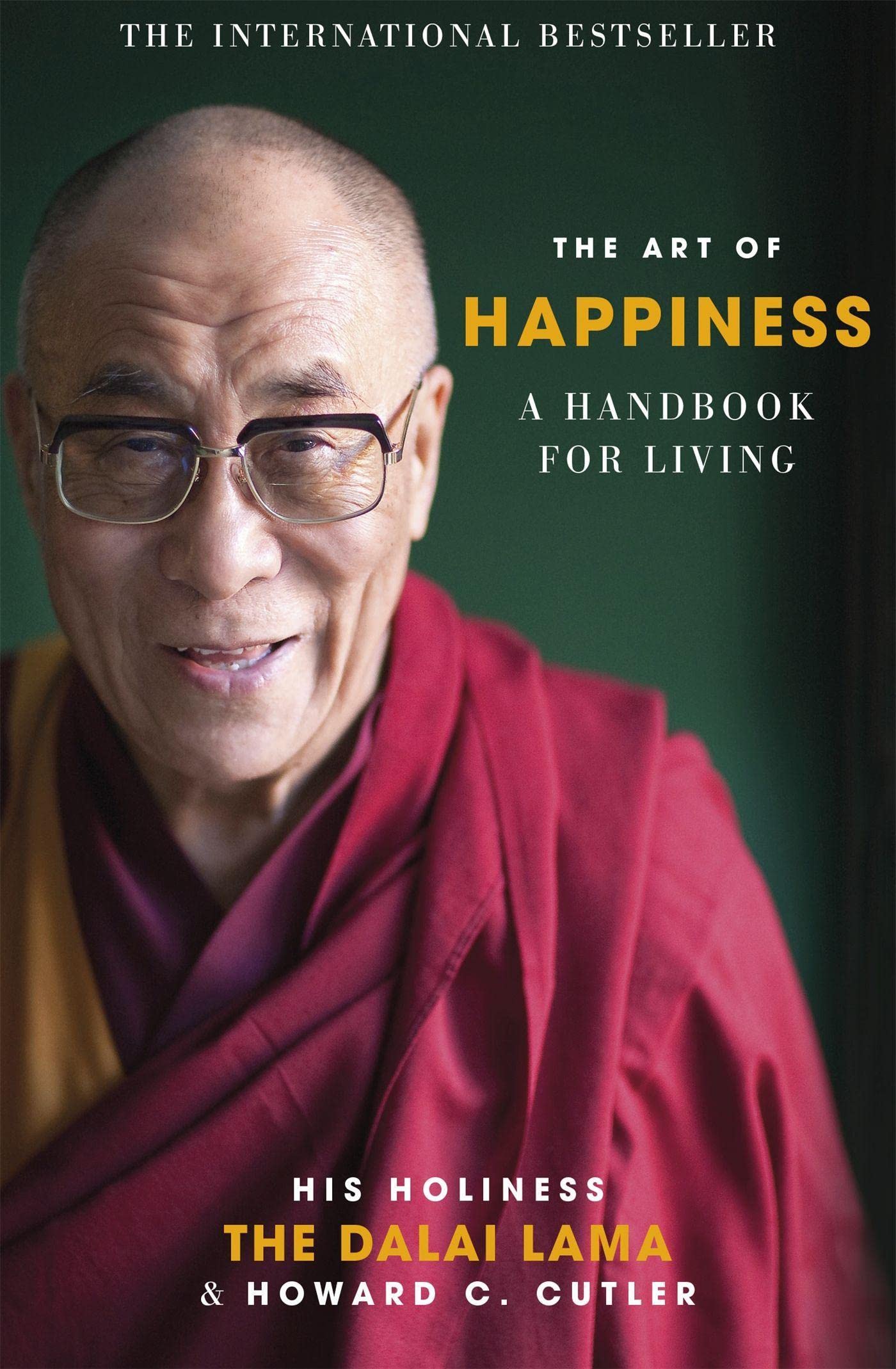
Hodder & Stoughton The Art of Happiness: A Handbook for Living by The Dalai Lama & Howard C. Cutler - Paperback Self-Help Classic on Buddhism & WellbeingA handbook for living, 'The Art of Happiness' pairs the spiritual insight of the Dalai Lama with the clinical expertise of Dr Howard C. Cutler. This practical guide explores how lasting contentment can be cultivated in everyday life, blending Tibetan Buddhist philosophy with Western psychology. The book is based on conversations between the Dalai Lama and Dr Cutler, recorded over several years, and offers a unique perspective on anxiety, loneliness, anger, loss, and the pursuit of wealth. Written with warmth, humour, and practicality, this influential work remains a valuable resource for those seeking calm and inner peace.9,99 £*Shipping: 2,99 £Secure redirect to the provider
-
Roku HD Streaming StickTransform any TV into America’s #1 streaming platform with the Roku Streaming Stick HD. Enjoy quick access to 500+ free HD channels, including live news, sports, weather, and more — all from a sleek, compact device that stays out of sight. Key Features TV Streaming Made Easy: Explore popular apps, free movies, shows, and live TV effortlessly. Streaming has never been simpler or more fun. Compact Design, No Compromises: The stick’s slim design won’t block adjacent HDMI ports and even powers directly from your TV — no wall outlet or extra cords needed. All-in-One Remote: Control your TV and Roku device with a single remote. Adjust volume, power on/off, and search using voice commands. Portable Entertainment: Take your favorite shows with you while traveling without needing to log in on other devices. Bluetooth Headphone Mode: Stream privately by pairing your headphones directly to the Roku Streaming Stick. Apps & Entertainment BBC iPlayer All 4 Netflix Amazon Prime Video YouTube Apple TV+ Disney+ Vimeo Movie rentals Interfaces & Connectivity Wi-Fi enabled General Information Remote control included Compatible with HD TVs EAN: 82961000844827,99 £*Shipping: 0,00 £Secure redirect to the provider
-
Ronald Redding Streaming Cheetah Linen WallpaperMarble veining and animal skin combine to compose a stream of color and print in pattern Streaming Cheetah. This Streaming Cheetah Wallpaper measures approximately 27 inches wide by 27 feet long, covering About 60.8 square feet per roll.170,00 $*Shipping: 0,00 $Secure redirect to the provider
-
Radio Bike Co Race BMX Bike Radio Cobalt Pro 2026 (20.75" - Glossy Black) - Black - Size: 20.75"The Radio Cobalt Pro 2026 Race BMX Bike provides an ideal starting point for aspiring racers. Expertly crafted with a lightweight aluminium frame and meticulous geometry, it caters to novices aiming for speed and nimbleness on the circuit. The bike's 20" wheels complement the Hi-ten steel fork, delivering strength and command. Furnished with a V-brake system and three-piece cranks, this BMX is primed for competition. With its partially assembled configuration, setup is simple, enabling you to be on the track swiftly.509,95 £*Shipping: 0,00 £Secure redirect to the provider
-
Is music rejected in Buddhism?
Music is not explicitly rejected in Buddhism, but its role and significance can vary among different Buddhist traditions. Some Buddhist practices, such as chanting and ceremonial music, are considered important for meditation and spiritual development. However, excessive attachment to music or using it as a distraction from spiritual practice may be discouraged in some Buddhist teachings, as it can hinder one's ability to cultivate mindfulness and inner peace. Ultimately, the attitude towards music in Buddhism depends on the individual's intentions and how it is incorporated into their spiritual practice. **
-
What role does music play in Buddhism?
Music plays a significant role in Buddhism as a means of spiritual practice and expression. Chanting and recitation of sacred texts, known as sutras, are an integral part of Buddhist rituals and ceremonies, often accompanied by traditional musical instruments such as bells, drums, and gongs. The use of music in meditation and mindfulness practices helps to create a peaceful and harmonious atmosphere, aiding in the cultivation of inner peace and spiritual awareness. Additionally, devotional songs and hymns are used to express reverence and devotion to the Buddha and other enlightened beings, fostering a sense of connection and inspiration within the Buddhist community. **
-
What are the differences between Buddhism and Tibetan Buddhism?
Buddhism is a broader religion that encompasses various traditions and schools, while Tibetan Buddhism is a specific branch of Buddhism that developed in Tibet. Tibetan Buddhism incorporates elements of Tibetan culture, such as rituals, deities, and practices like chanting and visualization. It also places a strong emphasis on the teachings of Tibetan Buddhist masters and the importance of the Dalai Lama. Additionally, Tibetan Buddhism includes unique practices such as the use of prayer flags, prayer wheels, and mandalas. **
-
What is the difference between Buddhism and Zen Buddhism?
Buddhism is a broader religion and philosophy that encompasses a variety of traditions and practices, while Zen Buddhism is a specific school or branch of Mahayana Buddhism that emphasizes meditation and direct experience of enlightenment. Zen Buddhism places a strong emphasis on the practice of meditation (zazen) as a means to achieve enlightenment, while traditional Buddhism incorporates a wider range of practices such as chanting, rituals, and study of Buddhist scriptures. Additionally, Zen Buddhism often focuses on the teachings of specific Zen masters and the importance of the teacher-student relationship in transmitting wisdom and insight. **
Similar search terms for Buddhism
-
Radio Bike Co Race BMX Bike Radio Cobalt Pro XL 2026 (21.25" - Glossy Black) - Black - Size: 21.25"Presenting the Radio Cobalt Pro XL 2026 Race BMX Bike, expertly crafted for enthusiasts ready to explore the exhilarating realm of BMX racing. With a lightweight aluminium frame, this bike strikes an excellent balance between durability and performance, featuring a top tube length of 21.25". Tailored for beginners, it boasts a sturdy hi-ten steel fork, a responsive V-brake system, and a dependable 44/16 gear ratio, making it perfect for conquering racing tracks. The streamlined tyres are fine-tuned for speed and stability, while the integrated headset provides seamless handling. Unleash your potential on the track with the Cobalt Pro XL!509,95 £*Shipping: 0,00 £Secure redirect to the provider
-
Is Buddhism illogical?
Buddhism is not inherently illogical. It is a complex and diverse belief system that encompasses a wide range of philosophical and ethical teachings. While some aspects of Buddhist doctrine may seem counterintuitive or difficult to understand from a Western perspective, they are based on a different cultural and philosophical framework. Many Buddhist teachings emphasize the importance of critical thinking and personal experience, and encourage followers to question and explore their beliefs. Ultimately, whether Buddhism is considered logical or not may depend on one's own perspective and understanding of its teachings. **
-
What is the difference between Zen Buddhism and regular Buddhism?
The main difference between Zen Buddhism and regular Buddhism lies in their approach to meditation and enlightenment. Zen Buddhism, which originated in China and later developed in Japan, emphasizes the practice of meditation (zazen) as the primary means to attain enlightenment. It focuses on direct experience and intuitive understanding, often through the guidance of a teacher. Regular Buddhism, on the other hand, encompasses a variety of traditions and practices, with meditation being just one of them. It places more emphasis on the study of scriptures, ethical conduct, and the development of wisdom and compassion. While both Zen Buddhism and regular Buddhism share the same core teachings of the Four Noble Truths and the Eightfold Path, their methods and emphasis on practice differ. **
-
What speaks against Buddhism?
Some criticisms of Buddhism include its focus on individual enlightenment, which some argue can lead to detachment from societal issues and responsibilities. Additionally, the concept of karma and rebirth can be seen as fatalistic or lacking in empirical evidence. Some critics also point out that certain Buddhist teachings may perpetuate gender inequality or social hierarchies. Overall, the main criticisms of Buddhism often revolve around its philosophical concepts, practical applications, and societal implications. **
-
Does Buddhism exclude Christianity?
Buddhism does not necessarily exclude Christianity. Both religions have different beliefs and practices, but individuals can choose to follow aspects of both faiths if they wish. Some people may find that certain teachings or practices from both Buddhism and Christianity complement each other, allowing them to incorporate elements of both into their spiritual beliefs. Ultimately, it is up to the individual to decide how they want to integrate different aspects of these religions into their own belief system. **
* All prices are inclusive of VAT and, if applicable, plus shipping costs. The offer information is based on the details provided by the respective shop and is updated through automated processes. Real-time updates do not occur, so deviations can occur in individual cases. ** Note: Parts of this content were created by AI.