Buy wnxu.com ?
We are moving the project
wnxu.com .
Are you interested in purchasing the domain
wnxu.com ?
domain@kv-gmbh.de · 0541-91531010
Buy wnxu.com ?
How are fossils formed and what are fossils?
Fossils are the preserved remains or traces of ancient organisms, such as plants, animals, and other organisms, that lived in the distant past. Fossils are formed through a process called fossilization, which occurs when an organism is buried in sediment, such as mud or sand, and over time, the organic material is replaced by minerals. This process can create a replica of the original organism, preserving its structure and sometimes even its soft tissues. Fossils provide valuable information about the history of life on Earth and are important for understanding evolution and past environments. **
What is the difference between fossils and living fossils?
Fossils are the preserved remains or traces of organisms that lived in the past, typically found in rocks or sediment. They provide evidence of the existence of ancient life forms. Living fossils, on the other hand, are organisms that have remained relatively unchanged over long periods of time and are similar to their ancient ancestors. While fossils are the remains of organisms that have gone extinct, living fossils are species that have survived for millions of years with little or no change in their physical appearance. **

Similar search terms for Fossils
Top-Angebote
Products related to Fossils:

-
Are seahorses living fossils?
Seahorses are not considered living fossils. While they have existed for millions of years and have remained relatively unchanged in terms of their unique body shape and characteristics, they have evolved and adapted to their environments over time. Living fossils typically refer to species that have remained virtually unchanged for millions of years, which is not the case for seahorses. **
-
How accurate are fossils?
Fossils are generally considered to be quite accurate in providing information about past life forms and environments. They can give us insights into the anatomy, behavior, and evolutionary history of organisms that lived millions of years ago. However, there are limitations to their accuracy, as the fossilization process can be selective and not all organisms are preserved as fossils. Additionally, interpretation of fossils can sometimes be subjective and open to different interpretations. **
-
Are dinosaur fossils fake?
No, dinosaur fossils are not fake. Fossils are the preserved remains or traces of ancient organisms, and dinosaur fossils have been found all over the world by paleontologists. These fossils provide valuable information about the existence and characteristics of dinosaurs that lived millions of years ago. The study of dinosaur fossils has greatly contributed to our understanding of prehistoric life on Earth. **
-
Could it be fossils?
Yes, it could be fossils. Fossils are the preserved remains or traces of ancient organisms, and they can be found in various forms such as bones, shells, imprints, or even petrified wood. When encountering unusual or unfamiliar objects in nature, it is important to consider the possibility that they could be fossils and to handle them with care to avoid damaging any potential scientific value. If you suspect you have found a fossil, it is best to consult with a paleontologist or expert to properly identify and preserve the specimen. **
What fossils are these?
These fossils are ammonite fossils. Ammonites were marine mollusks that lived during the time of the dinosaurs, around 240-65 million years ago. They had coiled shells with intricate patterns and are commonly found as fossils in sedimentary rocks. Ammonites are important for understanding ancient marine ecosystems and for dating rock layers. **
What are living fossils?
Living fossils are organisms that have remained relatively unchanged over long periods of time, often millions of years. These organisms are often found in the fossil record and are thought to have been extinct, only to be discovered alive and well today. Living fossils provide valuable insights into the evolutionary history of life on Earth and can help scientists understand how certain species have been able to survive and adapt over time. Examples of living fossils include the coelacanth, horseshoe crab, and ginkgo tree. **
Top-Angebote
Products related to Fossils:
-
Roku HD Streaming StickTransform any TV into America’s #1 streaming platform with the Roku Streaming Stick HD. Enjoy quick access to 500+ free HD channels, including live news, sports, weather, and more — all from a sleek, compact device that stays out of sight. Key Features TV Streaming Made Easy: Explore popular apps, free movies, shows, and live TV effortlessly. Streaming has never been simpler or more fun. Compact Design, No Compromises: The stick’s slim design won’t block adjacent HDMI ports and even powers directly from your TV — no wall outlet or extra cords needed. All-in-One Remote: Control your TV and Roku device with a single remote. Adjust volume, power on/off, and search using voice commands. Portable Entertainment: Take your favorite shows with you while traveling without needing to log in on other devices. Bluetooth Headphone Mode: Stream privately by pairing your headphones directly to the Roku Streaming Stick. Apps & Entertainment BBC iPlayer All 4 Netflix Amazon Prime Video YouTube Apple TV+ Disney+ Vimeo Movie rentals Interfaces & Connectivity Wi-Fi enabled General Information Remote control included Compatible with HD TVs EAN: 82961000844827,99 £*Shipping: 0,00 £Secure redirect to the provider
-
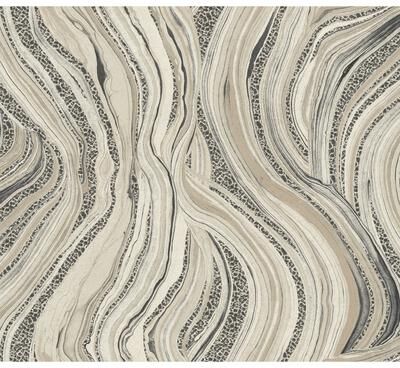
Ronald Redding Streaming Cheetah Linen WallpaperMarble veining and animal skin combine to compose a stream of color and print in pattern Streaming Cheetah. This Streaming Cheetah Wallpaper measures approximately 27 inches wide by 27 feet long, covering About 60.8 square feet per roll.170,00 $*Shipping: 0,00 $Secure redirect to the provider
-
How are fossils formed and what are fossils?
Fossils are the preserved remains or traces of ancient organisms, such as plants, animals, and other organisms, that lived in the distant past. Fossils are formed through a process called fossilization, which occurs when an organism is buried in sediment, such as mud or sand, and over time, the organic material is replaced by minerals. This process can create a replica of the original organism, preserving its structure and sometimes even its soft tissues. Fossils provide valuable information about the history of life on Earth and are important for understanding evolution and past environments. **
-
What is the difference between fossils and living fossils?
Fossils are the preserved remains or traces of organisms that lived in the past, typically found in rocks or sediment. They provide evidence of the existence of ancient life forms. Living fossils, on the other hand, are organisms that have remained relatively unchanged over long periods of time and are similar to their ancient ancestors. While fossils are the remains of organisms that have gone extinct, living fossils are species that have survived for millions of years with little or no change in their physical appearance. **
-
Are seahorses living fossils?
Seahorses are not considered living fossils. While they have existed for millions of years and have remained relatively unchanged in terms of their unique body shape and characteristics, they have evolved and adapted to their environments over time. Living fossils typically refer to species that have remained virtually unchanged for millions of years, which is not the case for seahorses. **
-
How accurate are fossils?
Fossils are generally considered to be quite accurate in providing information about past life forms and environments. They can give us insights into the anatomy, behavior, and evolutionary history of organisms that lived millions of years ago. However, there are limitations to their accuracy, as the fossilization process can be selective and not all organisms are preserved as fossils. Additionally, interpretation of fossils can sometimes be subjective and open to different interpretations. **
Similar search terms for Fossils
-
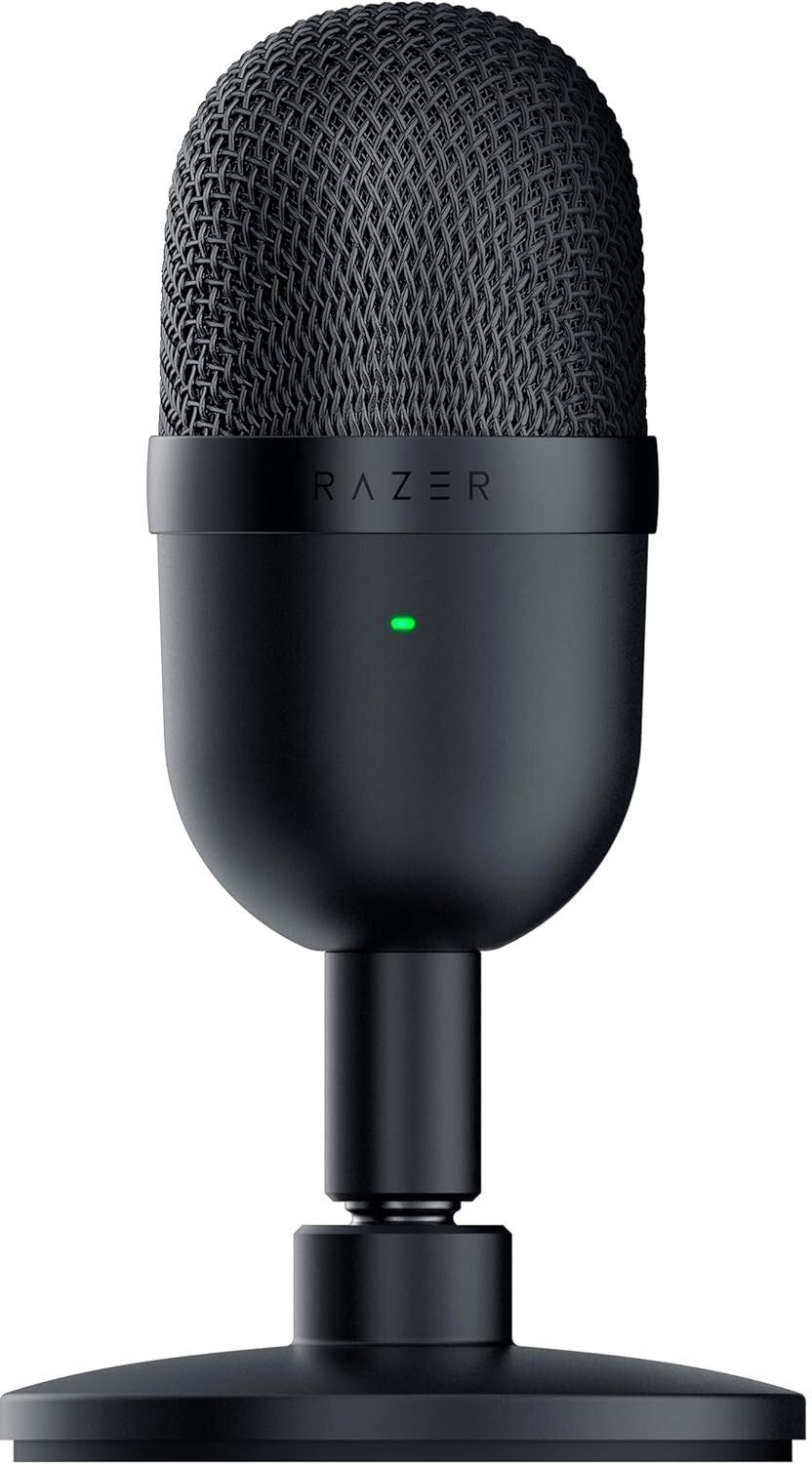
Razer Seiren Mini – USB Condenser Microphone for Streaming, Used - GoodOverview The Razer Seiren Mini is a compact, professional-grade USB condenser microphone designed to deliver crisp, clear audio for streamers, gamers, podcasters and home workers. With its ultra-precise supercardioid pickup pattern and plug-and-play USB connectivity, it offers studio-level voice capture in a small, stylish form factor. Perfect for desktops with limited space, this microphone enhances your recordings and live streams with exceptional clarity and noise reduction. Key Features • Ultra-precise supercardioid pickup pattern for focused voice capture • Professional-grade 14mm condenser capsule for rich, clear audio • Compact, minimalist design ideal for small setups • Built-in shock mount to minimise vibrations and accidental knocks • Plug-and-play USB connectivity for instant setup • Heavy-duty adjustable stand for stable desk placement • Compatible with Windows, macOS and popular streaming platforms • Available in a sleek matte black finish Benefits The Razer Seiren Mini delivers broadcast-quality audio without requiring complex setups or bulky equipment. Its supercardioid pattern reduces background noise, making your voice stand out clearly during live streams, calls or recordings. Compact yet powerful, it fits seamlessly into any workspace and ensures a clean, professional sound experience for gaming, content creation and online meetings. Specifications Table Specification Details Model Razer Seiren Mini Type USB Condenser Microphone Pickup Pattern Supercardioid Capsule Size 14mm Connectivity USB Frequency Response 20Hz – 20kHz Sample Rate 44.1kHz / 48kHz Bit Depth 16-bit Dimensions Approx. 9.0 x 5.0 x 5.0cm (mic body) Weight Approx. 160g (mic only) Compatibility Windows, macOS, streaming platforms Colour Black39,00 £*Shipping: 0,00 £Secure redirect to the provider
-
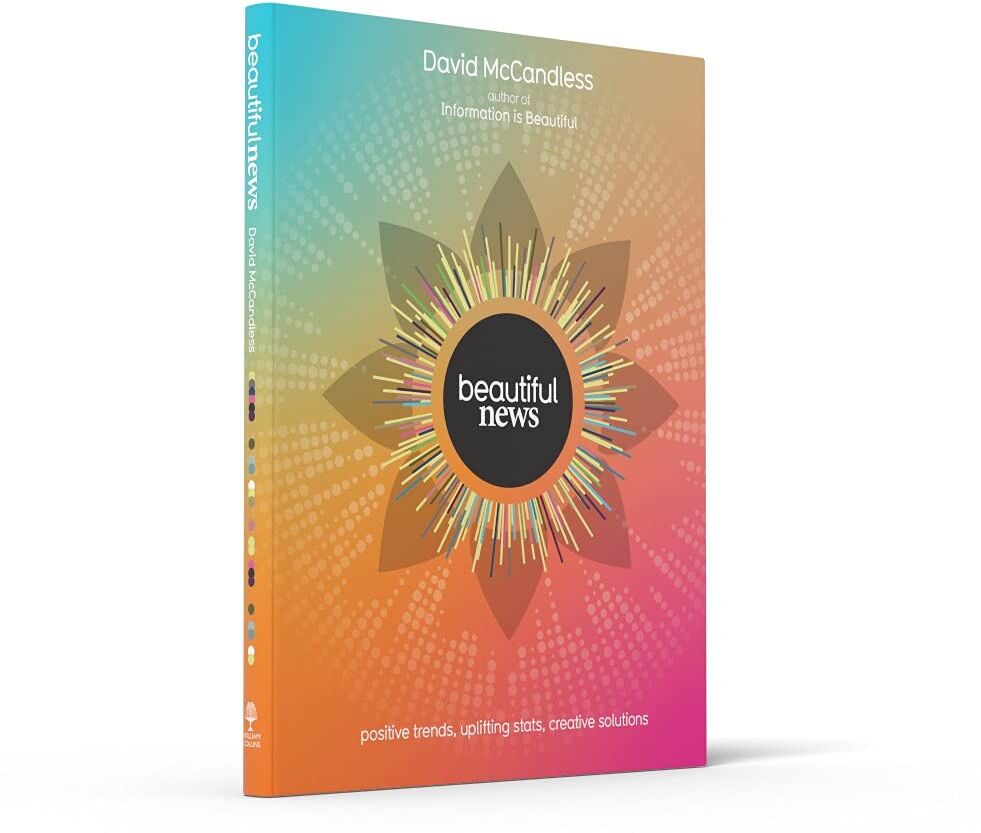
William Collins Beautiful News: Positive Trends, Uplifting Stats, Creative Solutions by David McCandlessIn this fascinating follow-up to the bestselling Information is Beautiful and Knowledge is Beautiful, the king of infographics David McCandless uses spectacular visuals to give us all a bit of good news. We are living in the Information Age, in which we are constantly bombarded with data – on television, in print and online. How can we relate to this mind-numbing overload? Enter David McCandless and his amazing infographics: simple, elegant ways to understand information too complex or abstract to grasp any way but visually. In his unique signature style, he creates dazzling displays that blend facts with their connections, contexts and relationships, making information meaningful, entertaining – and beautiful. In his highly anticipated third book, McCandless illustrates positive news from around the world, for an informative, engaging and uplifting collection of new infographic art.5,99 £*Shipping: 2,99 £Secure redirect to the provider
-
Are dinosaur fossils fake?
No, dinosaur fossils are not fake. Fossils are the preserved remains or traces of ancient organisms, and dinosaur fossils have been found all over the world by paleontologists. These fossils provide valuable information about the existence and characteristics of dinosaurs that lived millions of years ago. The study of dinosaur fossils has greatly contributed to our understanding of prehistoric life on Earth. **
-
Could it be fossils?
Yes, it could be fossils. Fossils are the preserved remains or traces of ancient organisms, and they can be found in various forms such as bones, shells, imprints, or even petrified wood. When encountering unusual or unfamiliar objects in nature, it is important to consider the possibility that they could be fossils and to handle them with care to avoid damaging any potential scientific value. If you suspect you have found a fossil, it is best to consult with a paleontologist or expert to properly identify and preserve the specimen. **
-
What fossils are these?
These fossils are ammonite fossils. Ammonites were marine mollusks that lived during the time of the dinosaurs, around 240-65 million years ago. They had coiled shells with intricate patterns and are commonly found as fossils in sedimentary rocks. Ammonites are important for understanding ancient marine ecosystems and for dating rock layers. **
-
What are living fossils?
Living fossils are organisms that have remained relatively unchanged over long periods of time, often millions of years. These organisms are often found in the fossil record and are thought to have been extinct, only to be discovered alive and well today. Living fossils provide valuable insights into the evolutionary history of life on Earth and can help scientists understand how certain species have been able to survive and adapt over time. Examples of living fossils include the coelacanth, horseshoe crab, and ginkgo tree. **
* All prices are inclusive of VAT and, if applicable, plus shipping costs. The offer information is based on the details provided by the respective shop and is updated through automated processes. Real-time updates do not occur, so deviations can occur in individual cases. ** Note: Parts of this content were created by AI.