Buy wnxu.com ?
We are moving the project
wnxu.com .
Are you interested in purchasing the domain
wnxu.com ?
domain@kv-gmbh.de · 0541-91531010
Buy wnxu.com ?
From when can medical students take blood samples?
Medical students can typically start taking blood samples during their clinical training, which usually occurs during their third or fourth year of medical school. Under the supervision of experienced healthcare professionals, students learn the proper techniques for drawing blood and handling samples. This hands-on experience is an important part of their education, as it helps them develop the necessary skills for their future careers as healthcare providers. **
From when can a medical student take blood?
A medical student can typically start taking blood during their clinical training, which usually begins in the third or fourth year of medical school. Before they are allowed to perform this procedure, they must receive proper training and supervision from experienced medical professionals. This training ensures that they have the necessary skills and knowledge to safely and effectively draw blood from patients. **


Similar search terms for Medical-Waitch-Aneroid-Blood
Top-Angebote
Products related to Medical-Waitch-Aneroid-Blood:
-
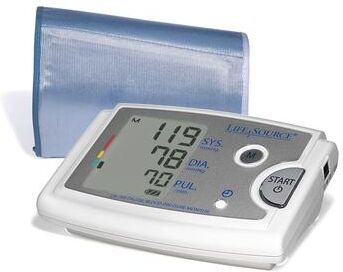
AND Medical Logo A&D Medical XL Cuff Blood Pressure Monitor""" A&D Medical Blood Pressure Monitor with XL Cuff The only home blood pressure monitor designed for people with larger arms and to provide accurate readings. This advanced device features a large cuff that ensures an optimal and secure fit during..."129,00 $*Shipping: 0,00 $Secure redirect to the provider
-
AND Medical Logo A&D Medical Automated Office Blood Pressure (AOBP) Monitor""" A&D Medical Automated Office Blood Pressure (AOBP) Monitor Introducing the A&D Medical Professional Office Blood Pressure Monitor with AOBP – the ultimate clinical-grade solution for precise and convenient blood pressure measurements in..."515,00 $*Shipping: 0,00 $Secure redirect to the provider
-
Uplift Treasures Kids Blood Pressure Monitor Toy For Medical Role Play pinkProduct Description Let kids explore the world of healthcare with this colorful blood pressure monitor toy! Designed for fun medical roleplay, it features a realistic inflatable cuff and easytouse design that encourages imaginative play and early...48,97 $*Shipping: 0,00 $Secure redirect to the provider



-
How does the blood draw work in medical school?
In medical school, students are taught the proper technique for drawing blood from a patient. This involves identifying the appropriate vein, cleaning the area with an antiseptic, and inserting a needle to collect the blood sample. Students also learn about the different types of blood collection tubes and the proper order in which they should be filled. Additionally, they are trained to handle the blood samples safely and to label them accurately for testing. Finally, students are taught about the importance of patient comfort and safety during the blood draw process. **
-
Is blood taken during the medical examination at the Bundeswehr?
Yes, blood is typically taken during the medical examination at the Bundeswehr. This is done to assess the overall health of the individual and to check for any underlying medical conditions. The blood test may include checking for blood type, cholesterol levels, and other important health indicators. This information helps the Bundeswehr determine the individual's fitness for service and ensure they receive any necessary medical care. **
-
How do you prepare for blood in emergency medical services?
In emergency medical services, preparation for dealing with blood involves ensuring that personal protective equipment (PPE) such as gloves, masks, and gowns are readily available and in good condition. It is important to have a clear understanding of universal precautions and proper infection control measures to minimize the risk of exposure to bloodborne pathogens. Additionally, having access to supplies for managing and cleaning up blood spills, such as biohazard bags, disinfectants, and absorbent materials, is crucial. Training and regular drills on proper bloodborne pathogen protocols are also essential for EMS personnel to be prepared to handle blood in emergency situations. **
-
Are there medical assistants without a practice location for blood draws?
Yes, there are medical assistants who may not have a practice location for blood draws. Some medical assistants work in settings where blood draws are not required, such as administrative roles or telehealth positions. Additionally, some medical assistants may work in facilities where blood draws are performed by specialized phlebotomists or nurses. However, medical assistants can receive training in phlebotomy and may be able to perform blood draws in various healthcare settings if needed. **
What are some medical professions where you don't see much blood?
Some medical professions where you don't see much blood include radiology, physical therapy, and medical research. Radiologists primarily work with medical imaging techniques such as X-rays, MRIs, and CT scans, and do not typically come into contact with blood. Physical therapists work with patients to improve mobility and manage pain through exercises and other non-invasive treatments, which generally do not involve blood. Medical researchers may work in laboratories conducting experiments and analyzing data, which also does not typically involve blood. **
Can I have blood drawn in order to receive a medical certificate?
Yes, blood can be drawn for medical purposes in order to receive a medical certificate. The blood test results can provide valuable information about your health status and help in diagnosing any underlying medical conditions. However, the need for a blood test and the issuance of a medical certificate would depend on the specific requirements of the situation and the healthcare provider's assessment. It is important to consult with a healthcare professional to determine the appropriate course of action. **
Top-Angebote
Products related to Medical-Waitch-Aneroid-Blood:
-
AND Medical Logo A&D Medical XL Cuff Blood Pressure Monitor""" A&D Medical Blood Pressure Monitor with XL Cuff The only home blood pressure monitor designed for people with larger arms and to provide accurate readings. This advanced device features a large cuff that ensures an optimal and secure fit during..."129,00 $*Shipping: 0,00 $Secure redirect to the provider
-
From when can medical students take blood samples?
Medical students can typically start taking blood samples during their clinical training, which usually occurs during their third or fourth year of medical school. Under the supervision of experienced healthcare professionals, students learn the proper techniques for drawing blood and handling samples. This hands-on experience is an important part of their education, as it helps them develop the necessary skills for their future careers as healthcare providers. **
-
From when can a medical student take blood?
A medical student can typically start taking blood during their clinical training, which usually begins in the third or fourth year of medical school. Before they are allowed to perform this procedure, they must receive proper training and supervision from experienced medical professionals. This training ensures that they have the necessary skills and knowledge to safely and effectively draw blood from patients. **
-
How does the blood draw work in medical school?
In medical school, students are taught the proper technique for drawing blood from a patient. This involves identifying the appropriate vein, cleaning the area with an antiseptic, and inserting a needle to collect the blood sample. Students also learn about the different types of blood collection tubes and the proper order in which they should be filled. Additionally, they are trained to handle the blood samples safely and to label them accurately for testing. Finally, students are taught about the importance of patient comfort and safety during the blood draw process. **
-
Is blood taken during the medical examination at the Bundeswehr?
Yes, blood is typically taken during the medical examination at the Bundeswehr. This is done to assess the overall health of the individual and to check for any underlying medical conditions. The blood test may include checking for blood type, cholesterol levels, and other important health indicators. This information helps the Bundeswehr determine the individual's fitness for service and ensure they receive any necessary medical care. **
Similar search terms for Medical-Waitch-Aneroid-Blood
-
AND Medical Logo A&D Medical Automated Office Blood Pressure (AOBP) Monitor""" A&D Medical Automated Office Blood Pressure (AOBP) Monitor Introducing the A&D Medical Professional Office Blood Pressure Monitor with AOBP – the ultimate clinical-grade solution for precise and convenient blood pressure measurements in..."515,00 $*Shipping: 0,00 $Secure redirect to the provider
-
Uplift Treasures Kids Blood Pressure Monitor Toy For Medical Role Play pinkProduct Description Let kids explore the world of healthcare with this colorful blood pressure monitor toy! Designed for fun medical roleplay, it features a realistic inflatable cuff and easytouse design that encourages imaginative play and early...48,97 $*Shipping: 0,00 $Secure redirect to the provider
-
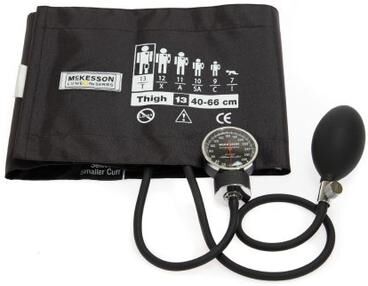
Aneroid Sphygmomanometer with Cuff McKesson LUMEON 2-Tube Pocket Style Hand Held Adult Size""" Aneroid Sphygmomanometer w Cuff McKesson LUMEON™ 2-Tube Pocket Style Hand Held Adult Size The McKesson nylon standard aneroid sphygmomanometer is perfect for use by medical students and medical professionals. This classic instrument is for..."29,90 $*Shipping: 0,00 $Secure redirect to the provider
-
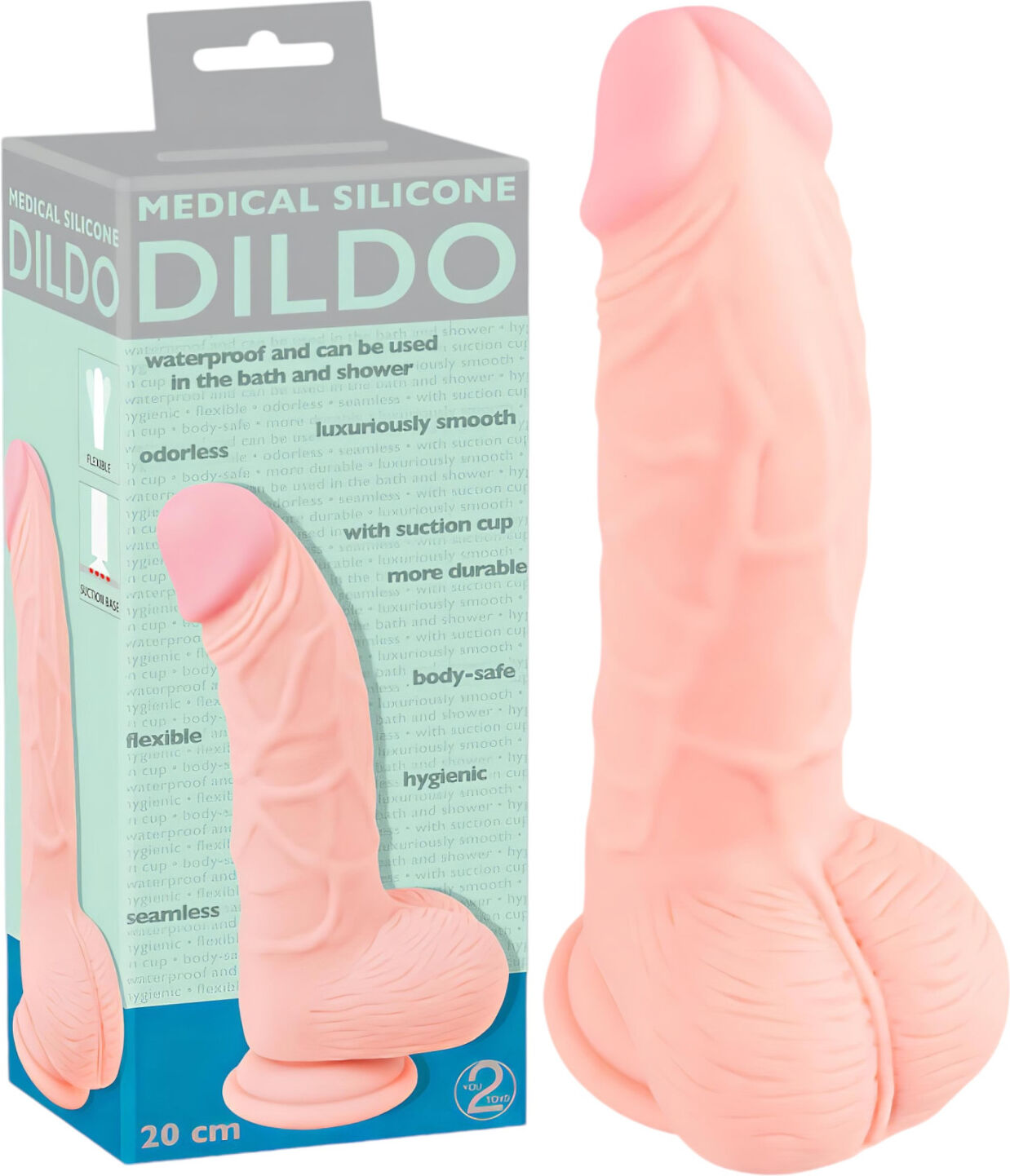
You2Toys - Medical - medical silicone dildo (20 cm, natural)You2Toys “Medical Silicone Dildo” 20 cm version - realistic, sensual design with a thicker girth for a fuller experience. Made from liquid silicone using seamless technology.Why the You2Toys Medical silicone dildo is so goodThe 20 cm You2Toys Medical is a realistically shaped, thicker dildo that evokes the feel of real skin. The meticulously crafted details - pronounced veining, a shaped, contrasting pinkish glans and realistic testicles - give it an authentic look, while the strong suction cup allows for stable, versatile, even hands‑free use. The “luxuriously smooth” material is flexible yet durable and doesn’t flop around. Made from medical‑grade, seamless silicone: odourless, body‑safe and hypoallergenic. With no electrical parts it is fully waterproof - suitable for use in water.Why customers love the You2Toys Medical dildoRealistic design - skin‑like surface feel, pronounced veining, shaped glans, realistic testicles.Thicker size - ideal for those who enjoy a fuller sensation.Strong suction cup - secure fixation, varied positions, hands‑free use.Luxuriously smooth, flexible yet durable material - doesn’t flop about, yet feels pleasant to the touch.Medical‑grade, seamless silicone - odourless, hypoallergenic, seam‑free.Waterproof - can be used in the bath or shower.What’s in the box1 You2Toys Medical realistic dildo with strong suction cupProduct featuresMaterial: medical‑grade, seamless silicone (complies with EU regulations, phthalate‑free)Total length (with suction cup): 20 cmInsertable length: 14 cmDiameter: 3.4-4.5 cm (thicker size)Suction cup diameter: 6.3 cmColour: natural, with contrasting pinkish glansWaterproofSurface: pronounced, highly visible veiningBrand: You2Toys - Medical rangeHow to use the You2Toys Medical dildoPlace the product on a smooth, clean surface using the strong suction cup. Use a generous amount of water‑based lubricant for a more comfortable experience. Thanks to its flexible design it can be enjoyed in various positions. Because of the thicker diameter, take it slowly and build up gradually. After use, clean thoroughly with lukewarm water and mild, neutral soap.Cleaning and careWash thoroughly with mild, soapy lukewarm water, then rinse and allow to dry. The use of a disinfectant toy cleaner is recommended (item number: 8718627520062 - available separately).Points to note when using the You2Toys Medical dildoFor lubrication use water‑based products only - silicone‑based lubricants damage silicone toys.Because of the thicker diameter, plenty of lubricant and slow, patient progression are necessary - never force it.After anal use, do not use the toy vaginally without a thorough clean - this poses a risk of infection.Always clean thoroughly before and after use. Protect it from sharp objects and hard surfaces to avoid damaging the material, and store in a cool, dry place.Keep out of reach of children.Watch the presentation video of this realistic dildo!User manual37,93 £*Shipping: 6,10 £Secure redirect to the provider
-
How do you prepare for blood in emergency medical services?
In emergency medical services, preparation for dealing with blood involves ensuring that personal protective equipment (PPE) such as gloves, masks, and gowns are readily available and in good condition. It is important to have a clear understanding of universal precautions and proper infection control measures to minimize the risk of exposure to bloodborne pathogens. Additionally, having access to supplies for managing and cleaning up blood spills, such as biohazard bags, disinfectants, and absorbent materials, is crucial. Training and regular drills on proper bloodborne pathogen protocols are also essential for EMS personnel to be prepared to handle blood in emergency situations. **
-
Are there medical assistants without a practice location for blood draws?
Yes, there are medical assistants who may not have a practice location for blood draws. Some medical assistants work in settings where blood draws are not required, such as administrative roles or telehealth positions. Additionally, some medical assistants may work in facilities where blood draws are performed by specialized phlebotomists or nurses. However, medical assistants can receive training in phlebotomy and may be able to perform blood draws in various healthcare settings if needed. **
-
What are some medical professions where you don't see much blood?
Some medical professions where you don't see much blood include radiology, physical therapy, and medical research. Radiologists primarily work with medical imaging techniques such as X-rays, MRIs, and CT scans, and do not typically come into contact with blood. Physical therapists work with patients to improve mobility and manage pain through exercises and other non-invasive treatments, which generally do not involve blood. Medical researchers may work in laboratories conducting experiments and analyzing data, which also does not typically involve blood. **
-
Can I have blood drawn in order to receive a medical certificate?
Yes, blood can be drawn for medical purposes in order to receive a medical certificate. The blood test results can provide valuable information about your health status and help in diagnosing any underlying medical conditions. However, the need for a blood test and the issuance of a medical certificate would depend on the specific requirements of the situation and the healthcare provider's assessment. It is important to consult with a healthcare professional to determine the appropriate course of action. **
* All prices are inclusive of VAT and, if applicable, plus shipping costs. The offer information is based on the details provided by the respective shop and is updated through automated processes. Real-time updates do not occur, so deviations can occur in individual cases. ** Note: Parts of this content were created by AI.