Buy wnxu.com ?
We are moving the project
wnxu.com .
Are you interested in purchasing the domain
wnxu.com ?
domain@kv-gmbh.de · 0541-91531010
Buy wnxu.com ?
Where can I study Neuroscience?
You can study Neuroscience at many universities around the world, including but not limited to Harvard University, Stanford University, University College London, and the University of California, Berkeley. These universities offer undergraduate and graduate programs in Neuroscience, allowing students to explore the complexities of the brain and nervous system through a variety of courses and research opportunities. Additionally, many institutions offer online courses and programs in Neuroscience for those who prefer a more flexible learning environment. **
How can one study neuroscience?
Studying neuroscience typically involves pursuing a formal education in the field. This can include obtaining a bachelor's degree in neuroscience or a related field, followed by a graduate degree such as a master's or Ph.D. in neuroscience. Additionally, gaining hands-on research experience through internships or working in a neuroscience lab can provide valuable practical skills. Keeping up-to-date with the latest research in neuroscience through scientific journals, conferences, and online resources is also important for staying informed in the field. **
Similar search terms for Neuroscience
Top-Angebote
Products related to Neuroscience:
-
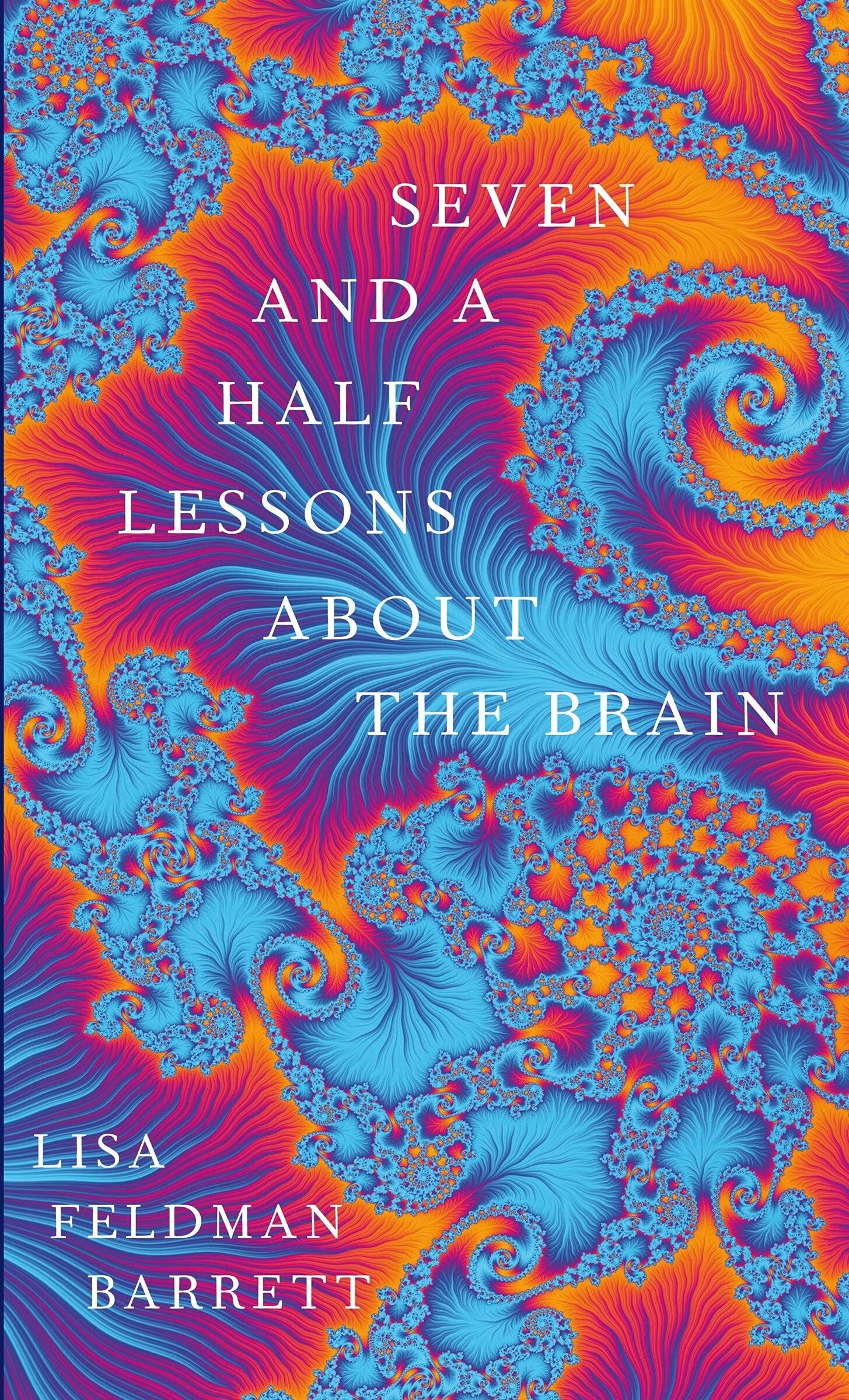
Seven and a Half Lessons About the Brain by Lisa Feldman Barrett - Picador Paperback - Popular Neuroscience - Bestselling AuthorDiscover the fascinating world of neuroscience with Lisa Feldman Barrett's Seven and a Half Lessons About the Brain. This compact, engaging primer distills decades of cutting-edge brain research into short, vivid chapters that challenge popular myths and reveal the brain's true workings. In just over 190 pages, Barrett explains how the brain evolved, how it processes emotions and reason, and how it shapes our understanding of ourselves and others. This Picador paperback edition is a fast and rewarding read, perfect for curious adults, students, teachers, and science enthusiasts.2,85 £*Shipping: 2,99 £Secure redirect to the provider
-
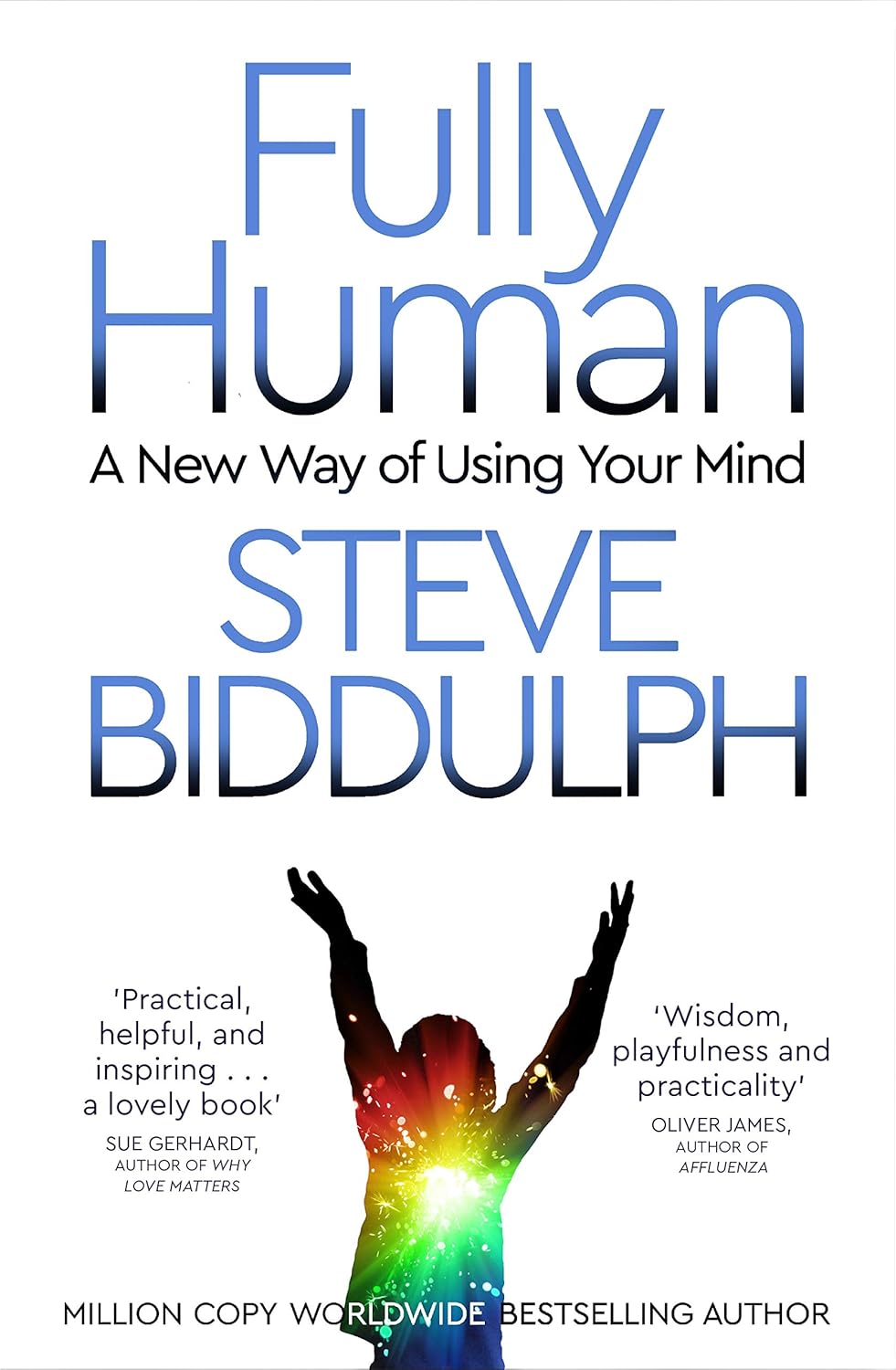
Bluebird Fully Human by Steve Biddulph - Paperback Self Help Book - New Way of Using Your Mind - Supersense & Neuroscience Insights for AdultsDiscover a new approach to using your mind with Fully Human, a self-help paperback by renowned family therapist Steve Biddulph. This book introduces the concept of 'supersense', the subtle feelings beneath our everyday emotions, and offers a practical route to calmer, more connected living. Drawing on personal stories and clinical experience, Steve Biddulph explores the parts of the mind we rarely use, which can transform how we feel and guide us through life's challenges. Published by Bluebird, this paperback is a valuable resource for adults seeking genuine emotional insight.8,99 £*Shipping: 2,99 £Secure redirect to the provider
-
Hay House UK Ltd Breaking the Habit of Being Yourself by Dr Joe Dispenza - Paperback Self-Help Book - Neuroscience & Meditation for Personal TransformationDiscover the transformative power of rewiring your brain and body with Dr Joe Dispenza's guide to lasting change. This brand new paperback combines cutting-edge research in neuroscience, quantum physics, epigenetics, and biology to show that you're not permanently hardwired by genetics or past habits. Instead, Dispenza offers a practical, science-grounded route to reconditioning thought patterns, breaking automatic emotional reactions, and creating a healthier, more intentional life from the inside out. The book presents a four-week meditative programme to help you dismantle old identities and step into new ones, opening with the science behind how memory, emotion, and repeated thought create the neural grooves that keep you locked into familiar patterns.10,99 £*Shipping: 2,99 £Secure redirect to the provider
-
Hay House UK Ltd Breaking the Habit of Being Yourself by Dr Joe Dispenza - Paperback Self-Help Book - Neuroscience, Meditation & Habit Change for AdultsDiscover how to break free from old emotional habits and rewire your thought patterns with Dr Joe Dispenza's guide. This UK paperback edition of 'Breaking the Habit of Being Yourself' explains how people are not fixed by genetics or past conditioning, and offers a practical route to reconditioning the brain and body. By blending neuroscience, quantum physics, epigenetics, and biology, Dispenza provides a structured meditative programme to help readers build a healthier, more intentional life. This book, full title 'Breaking the Habit of Being Yourself: How to Lose Your Mind and Create a New One', pairs accessible science with a structured approach to help readers step away from an old identity and create a new one.10,99 £*Shipping: 2,99 £Secure redirect to the provider



-
What can be done with neuroscience?
Neuroscience can be used to better understand how the brain works, leading to advancements in treating neurological and psychiatric disorders. It can also help in developing new technologies and therapies to improve brain function and overall well-being. Additionally, neuroscience research can provide insights into how we learn, make decisions, and perceive the world around us, leading to potential applications in education, marketing, and other fields. Overall, neuroscience has the potential to revolutionize our understanding of the brain and human behavior, with far-reaching implications for various aspects of society. **
-
How do I start getting into neuroscience?
To start getting into neuroscience, you can begin by reading introductory books and articles on the subject to gain a foundational understanding. You can also take online courses or attend workshops to learn more about the basics of neuroscience. Additionally, reaching out to professors or researchers in the field for mentorship or volunteer opportunities can provide valuable hands-on experience. Finally, consider pursuing a degree in neuroscience or a related field to further your knowledge and expertise in the subject. **
-
What is the degree program for neuroscience?
A degree program in neuroscience typically falls under the category of a Bachelor of Science (B.S.) or a Bachelor of Arts (B.A.) in Neuroscience. This program combines elements of biology, psychology, chemistry, and other related fields to provide students with a comprehensive understanding of the brain and nervous system. Students in this program may study topics such as neuroanatomy, neurophysiology, cognitive neuroscience, and behavioral neuroscience, and may have the opportunity to conduct research in a laboratory setting. Graduates of a neuroscience program may pursue careers in research, healthcare, pharmaceuticals, or academia. **
-
What are the job prospects in cognitive neuroscience?
Job prospects in cognitive neuroscience are generally positive, with opportunities in academia, research institutions, government agencies, and private sector companies. Graduates with a background in cognitive neuroscience can pursue careers as research scientists, professors, data analysts, consultants, or even in healthcare settings. The field is constantly evolving, with advancements in technology and increased interest in understanding the brain, creating a demand for professionals with expertise in cognitive neuroscience. **

What is the difference between neurology and neuroscience?
Neurology is a branch of medicine that focuses on the diagnosis and treatment of disorders of the nervous system, including the brain, spinal cord, and nerves. Neurologists are medical doctors who specialize in treating conditions such as epilepsy, stroke, multiple sclerosis, and Parkinson's disease. On the other hand, neuroscience is a broader field that encompasses the scientific study of the nervous system, including its structure, function, development, and diseases. Neuroscientists may come from a variety of backgrounds, including biology, psychology, and physics, and they may study topics such as brain development, neural circuits, and the molecular basis of neurological disorders. In summary, neurology is a medical specialty focused on clinical care, while neuroscience is a multidisciplinary field focused on understanding the nervous system at a scientific level. **
What is the difference between neuroscience and cognitive science?
Neuroscience is a branch of science that focuses on the study of the nervous system, including the brain, spinal cord, and nerves, and how they function to produce behavior and cognition. It primarily investigates the biological and physiological aspects of the nervous system. On the other hand, cognitive science is an interdisciplinary field that explores the processes and mechanisms underlying human cognition, including perception, attention, memory, language, and problem-solving. It draws from various disciplines such as psychology, computer science, linguistics, philosophy, and neuroscience to understand the mind and its functions. While neuroscience focuses on the biological basis of cognition, cognitive science takes a broader approach by integrating multiple perspectives to study the mind and behavior. **
Top-Angebote
Products related to Neuroscience:
-
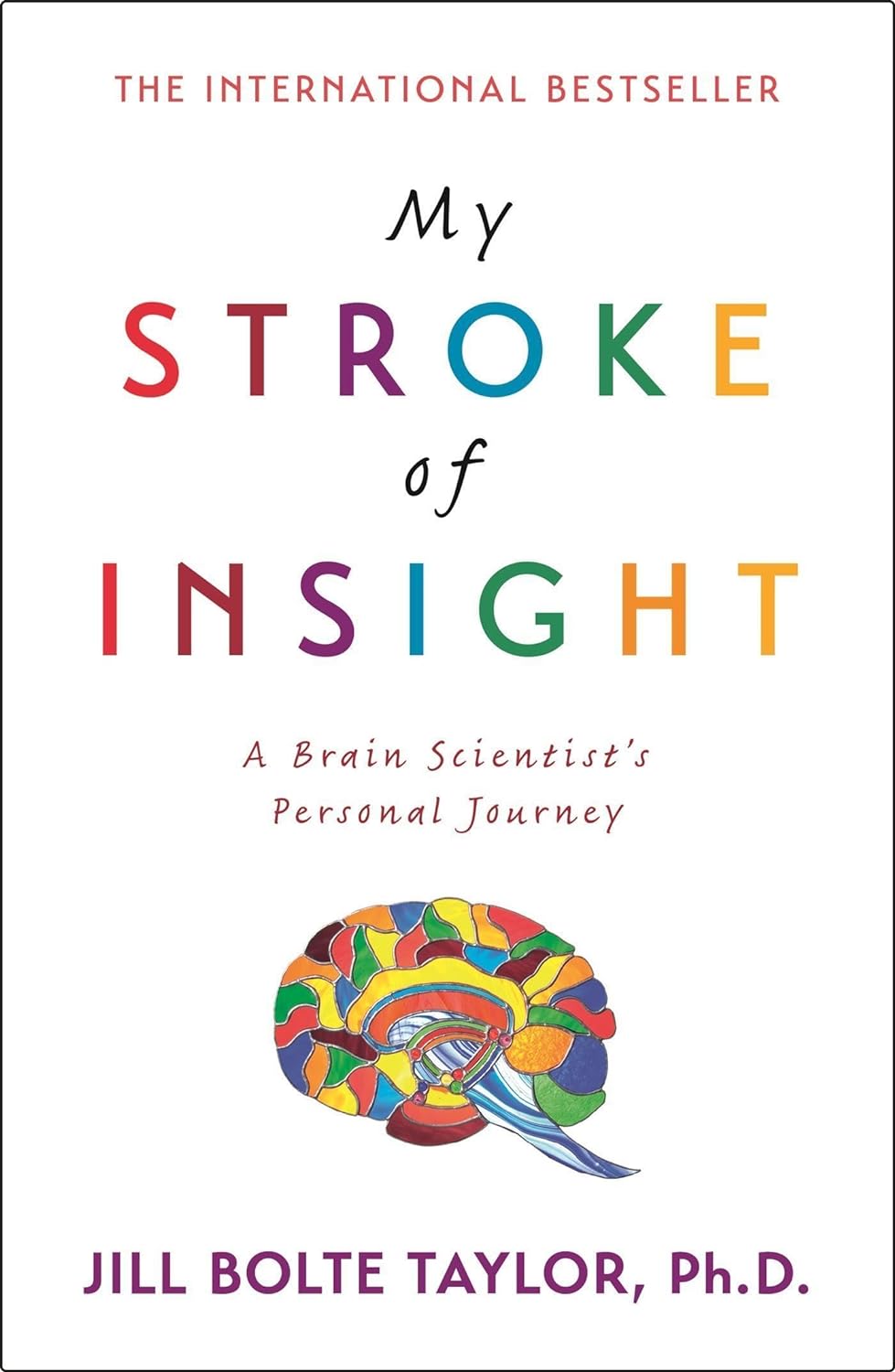
Yellow Kite My Stroke of Insight by Jill Bolte Taylor - Paperback Neuroscience Memoir - Bestselling Stroke Recovery StoryHarvard-trained neuroanatomist Jill Bolte Taylor recounts her extraordinary experience of suffering a massive stroke on December 10, 1996. The stroke erased her ability to walk, talk, read, and recall her own life. In her book, My Stroke of Insight, Taylor shares her first-hand account of watching her brain shut down piece by piece, and the profound sense of peace she discovered as her rational left hemisphere fell silent. Part medical memoir, part guide to healing, this book offers a rare blend of scientific authority and deeply personal reflection. Taylor spent years studying the brain professionally before becoming, quite unexpectedly, one of its most compelling case studies. As a blood vessel burst in her left hemisphere, she experienced the gradual collapse of her brain's functions. This paperback edition of My Stroke of Insight has resonated with millions of readers worldwide, offering a unique perspective on the human brain and the healing process.2,99 £*Shipping: 2,99 £Secure redirect to the provider
-
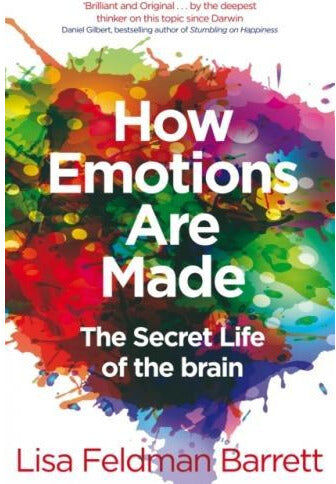
MACMILLAN How Emotions Are Made – The Secret Life of the Brain by Lisa Feldman Barrett Neuroscience & Psychology BestsellerDiscover a groundbreaking new understanding of the human mind with How Emotions Are Made: The Secret Life of the Brain by Lisa Feldman Barrett. Challenging long-held beliefs about how emotions work, neuroscientist Lisa Feldman Barrett presents a revolutionary theory explaining that emotions are not universal reactions, but are actively constructed by the brain. Drawing on cutting-edge research in psychology and neuroscience, the book reveals how the brain predicts, interprets, and shapes our emotional experiences. Written in an accessible and engaging style, this bestseller reshapes how we think about feelings, decision-making, mental health, and human behavior. It’s essential reading for anyone interested in psychology, neuroscience, self-understanding, and emotional intelligence. Why Readers Love This Book: Revolutionary insights into how emotions are created Based on modern neuroscience research Accessible explanations for general readers Practical implications for mental well-being Ideal for psychology and science enthusiasts A thought-provoking exploration of the brain, How Emotions Are Made changes how we understand what it means to feel.3,99 £*Shipping: 1,99 £Secure redirect to the provider
-
Seven and a Half Lessons About the Brain by Lisa Feldman Barrett - Picador Paperback - Popular Neuroscience - Bestselling AuthorDiscover the fascinating world of neuroscience with Lisa Feldman Barrett's Seven and a Half Lessons About the Brain. This compact, engaging primer distills decades of cutting-edge brain research into short, vivid chapters that challenge popular myths and reveal the brain's true workings. In just over 190 pages, Barrett explains how the brain evolved, how it processes emotions and reason, and how it shapes our understanding of ourselves and others. This Picador paperback edition is a fast and rewarding read, perfect for curious adults, students, teachers, and science enthusiasts.2,85 £*Shipping: 2,99 £Secure redirect to the provider
-
Bluebird Fully Human by Steve Biddulph - Paperback Self Help Book - New Way of Using Your Mind - Supersense & Neuroscience Insights for AdultsDiscover a new approach to using your mind with Fully Human, a self-help paperback by renowned family therapist Steve Biddulph. This book introduces the concept of 'supersense', the subtle feelings beneath our everyday emotions, and offers a practical route to calmer, more connected living. Drawing on personal stories and clinical experience, Steve Biddulph explores the parts of the mind we rarely use, which can transform how we feel and guide us through life's challenges. Published by Bluebird, this paperback is a valuable resource for adults seeking genuine emotional insight.8,99 £*Shipping: 2,99 £Secure redirect to the provider
-
Where can I study Neuroscience?
You can study Neuroscience at many universities around the world, including but not limited to Harvard University, Stanford University, University College London, and the University of California, Berkeley. These universities offer undergraduate and graduate programs in Neuroscience, allowing students to explore the complexities of the brain and nervous system through a variety of courses and research opportunities. Additionally, many institutions offer online courses and programs in Neuroscience for those who prefer a more flexible learning environment. **
-
How can one study neuroscience?
Studying neuroscience typically involves pursuing a formal education in the field. This can include obtaining a bachelor's degree in neuroscience or a related field, followed by a graduate degree such as a master's or Ph.D. in neuroscience. Additionally, gaining hands-on research experience through internships or working in a neuroscience lab can provide valuable practical skills. Keeping up-to-date with the latest research in neuroscience through scientific journals, conferences, and online resources is also important for staying informed in the field. **
-
What can be done with neuroscience?
Neuroscience can be used to better understand how the brain works, leading to advancements in treating neurological and psychiatric disorders. It can also help in developing new technologies and therapies to improve brain function and overall well-being. Additionally, neuroscience research can provide insights into how we learn, make decisions, and perceive the world around us, leading to potential applications in education, marketing, and other fields. Overall, neuroscience has the potential to revolutionize our understanding of the brain and human behavior, with far-reaching implications for various aspects of society. **
-
How do I start getting into neuroscience?
To start getting into neuroscience, you can begin by reading introductory books and articles on the subject to gain a foundational understanding. You can also take online courses or attend workshops to learn more about the basics of neuroscience. Additionally, reaching out to professors or researchers in the field for mentorship or volunteer opportunities can provide valuable hands-on experience. Finally, consider pursuing a degree in neuroscience or a related field to further your knowledge and expertise in the subject. **
Similar search terms for Neuroscience
-
Hay House UK Ltd Breaking the Habit of Being Yourself by Dr Joe Dispenza - Paperback Self-Help Book - Neuroscience & Meditation for Personal TransformationDiscover the transformative power of rewiring your brain and body with Dr Joe Dispenza's guide to lasting change. This brand new paperback combines cutting-edge research in neuroscience, quantum physics, epigenetics, and biology to show that you're not permanently hardwired by genetics or past habits. Instead, Dispenza offers a practical, science-grounded route to reconditioning thought patterns, breaking automatic emotional reactions, and creating a healthier, more intentional life from the inside out. The book presents a four-week meditative programme to help you dismantle old identities and step into new ones, opening with the science behind how memory, emotion, and repeated thought create the neural grooves that keep you locked into familiar patterns.10,99 £*Shipping: 2,99 £Secure redirect to the provider
-
Hay House UK Ltd Breaking the Habit of Being Yourself by Dr Joe Dispenza - Paperback Self-Help Book - Neuroscience, Meditation & Habit Change for AdultsDiscover how to break free from old emotional habits and rewire your thought patterns with Dr Joe Dispenza's guide. This UK paperback edition of 'Breaking the Habit of Being Yourself' explains how people are not fixed by genetics or past conditioning, and offers a practical route to reconditioning the brain and body. By blending neuroscience, quantum physics, epigenetics, and biology, Dispenza provides a structured meditative programme to help readers build a healthier, more intentional life. This book, full title 'Breaking the Habit of Being Yourself: How to Lose Your Mind and Create a New One', pairs accessible science with a structured approach to help readers step away from an old identity and create a new one.10,99 £*Shipping: 2,99 £Secure redirect to the provider
-
Picador / Pan (Pan Macmillan) Lisa Feldman Barrett 2 Book Set - Seven and a Half Lessons About the Brain & How Emotions Are Made - Paperback Neuroscience BooksThis two-book paperback set brings together neuroscientist Lisa Feldman Barrett's most accessible and influential works. Seven and a Half Lessons About the Brain offers a short, witty primer on how brains work, while How Emotions Are Made overturns what many assume about feelings. Together they form a compelling introduction to modern brain science, ideal for students, professionals, or anyone curious about the mind and emotions. The books, published by Picador/Pan (Pan Macmillan), are written in an engaging and easy-to-understand style, making them perfect for readers looking to learn about the brain and emotions. The set includes Seven and a Half Lessons About the Brain and How Emotions Are Made, with ISBNs 9781529018646 and 9781509837526 respectively. The books are in new condition and are formatted as paperbacks.8,99 £*Shipping: 2,99 £Secure redirect to the provider
-
Roku HD Streaming StickTransform any TV into America’s #1 streaming platform with the Roku Streaming Stick HD. Enjoy quick access to 500+ free HD channels, including live news, sports, weather, and more — all from a sleek, compact device that stays out of sight. Key Features TV Streaming Made Easy: Explore popular apps, free movies, shows, and live TV effortlessly. Streaming has never been simpler or more fun. Compact Design, No Compromises: The stick’s slim design won’t block adjacent HDMI ports and even powers directly from your TV — no wall outlet or extra cords needed. All-in-One Remote: Control your TV and Roku device with a single remote. Adjust volume, power on/off, and search using voice commands. Portable Entertainment: Take your favorite shows with you while traveling without needing to log in on other devices. Bluetooth Headphone Mode: Stream privately by pairing your headphones directly to the Roku Streaming Stick. Apps & Entertainment BBC iPlayer All 4 Netflix Amazon Prime Video YouTube Apple TV+ Disney+ Vimeo Movie rentals Interfaces & Connectivity Wi-Fi enabled General Information Remote control included Compatible with HD TVs EAN: 82961000844827,99 £*Shipping: 0,00 £Secure redirect to the provider
-
What is the degree program for neuroscience?
A degree program in neuroscience typically falls under the category of a Bachelor of Science (B.S.) or a Bachelor of Arts (B.A.) in Neuroscience. This program combines elements of biology, psychology, chemistry, and other related fields to provide students with a comprehensive understanding of the brain and nervous system. Students in this program may study topics such as neuroanatomy, neurophysiology, cognitive neuroscience, and behavioral neuroscience, and may have the opportunity to conduct research in a laboratory setting. Graduates of a neuroscience program may pursue careers in research, healthcare, pharmaceuticals, or academia. **
-
What are the job prospects in cognitive neuroscience?
Job prospects in cognitive neuroscience are generally positive, with opportunities in academia, research institutions, government agencies, and private sector companies. Graduates with a background in cognitive neuroscience can pursue careers as research scientists, professors, data analysts, consultants, or even in healthcare settings. The field is constantly evolving, with advancements in technology and increased interest in understanding the brain, creating a demand for professionals with expertise in cognitive neuroscience. **
-
What is the difference between neurology and neuroscience?
Neurology is a branch of medicine that focuses on the diagnosis and treatment of disorders of the nervous system, including the brain, spinal cord, and nerves. Neurologists are medical doctors who specialize in treating conditions such as epilepsy, stroke, multiple sclerosis, and Parkinson's disease. On the other hand, neuroscience is a broader field that encompasses the scientific study of the nervous system, including its structure, function, development, and diseases. Neuroscientists may come from a variety of backgrounds, including biology, psychology, and physics, and they may study topics such as brain development, neural circuits, and the molecular basis of neurological disorders. In summary, neurology is a medical specialty focused on clinical care, while neuroscience is a multidisciplinary field focused on understanding the nervous system at a scientific level. **
-
What is the difference between neuroscience and cognitive science?
Neuroscience is a branch of science that focuses on the study of the nervous system, including the brain, spinal cord, and nerves, and how they function to produce behavior and cognition. It primarily investigates the biological and physiological aspects of the nervous system. On the other hand, cognitive science is an interdisciplinary field that explores the processes and mechanisms underlying human cognition, including perception, attention, memory, language, and problem-solving. It draws from various disciplines such as psychology, computer science, linguistics, philosophy, and neuroscience to understand the mind and its functions. While neuroscience focuses on the biological basis of cognition, cognitive science takes a broader approach by integrating multiple perspectives to study the mind and behavior. **
* All prices are inclusive of VAT and, if applicable, plus shipping costs. The offer information is based on the details provided by the respective shop and is updated through automated processes. Real-time updates do not occur, so deviations can occur in individual cases. ** Note: Parts of this content were created by AI.