Buy wnxu.com ?
We are moving the project
wnxu.com .
Are you interested in purchasing the domain
wnxu.com ?
domain@kv-gmbh.de · 0541-91531010
Buy wnxu.com ?
What are ion substances and molecule substances?
Ion substances are compounds made up of positively and negatively charged ions, such as sodium chloride (NaCl) or calcium carbonate (CaCO3). These substances are held together by electrostatic forces between the ions. Molecule substances, on the other hand, are made up of covalently bonded atoms, such as water (H2O) or carbon dioxide (CO2). These substances are held together by sharing electrons between the atoms. In summary, ion substances are composed of charged ions held together by electrostatic forces, while molecule substances are composed of covalently bonded atoms held together by shared electrons. **
To which substances do the elementary substances belong?
Elementary substances belong to the category of pure chemical elements. These are the basic building blocks of matter and cannot be broken down into simpler substances by ordinary chemical reactions. Examples of elementary substances include hydrogen, oxygen, carbon, and iron. Each element is defined by its unique atomic structure and properties. **


Similar search terms for Substances
Top-Angebote
Products related to Substances:




-
To which substances do the elemental substances belong?
Elemental substances belong to the group of pure substances, which are made up of only one type of atom. These elemental substances are the building blocks of all matter and cannot be broken down into simpler substances by chemical means. Examples of elemental substances include hydrogen, oxygen, carbon, and gold. **
-
Why do polar substances dissolve in polar substances?
Polar substances dissolve in polar substances because they have similar intermolecular forces. Polar substances, such as water, have a partial positive and partial negative charge, which allows them to form hydrogen bonds with other polar molecules. When a polar substance is added to a polar solvent, the partial charges on the solvent molecules attract and surround the solute molecules, causing them to separate and disperse evenly throughout the solvent. This allows the polar solute to dissolve in the polar solvent, forming a homogeneous mixture. **
-
Can organic substances split and combine with other substances?
Yes, organic substances can split and combine with other substances through chemical reactions. For example, organic compounds can undergo processes such as hydrolysis, where they split into smaller molecules by reacting with water. Additionally, organic substances can also combine with other substances through synthesis reactions, where new organic compounds are formed by combining smaller molecules. These chemical reactions are fundamental to the behavior and properties of organic substances in living organisms and in the environment. **
-
Why do substances dissolve in other substances or not?
Substances dissolve in other substances when the intermolecular forces between the solute and solvent are strong enough to overcome the forces holding the solute together. This allows the solute particles to become surrounded by solvent particles and spread out evenly throughout the solvent. On the other hand, substances may not dissolve in a particular solvent if the intermolecular forces between the solute and solvent are not strong enough to overcome the forces holding the solute together, or if the solute and solvent have incompatible polarities. **

Which substances float?
Substances that are less dense than the liquid they are placed in will float. This includes materials such as wood, plastic, cork, and ice. **
Are colors pure substances or mixtures of substances and why?
Colors are mixtures of substances rather than pure substances. This is because colors are produced by the interaction of different wavelengths of light with the molecules of the material. For example, the color red is produced when an object absorbs all the wavelengths of light except for red, which is reflected back to our eyes. Therefore, colors are the result of a mixture of different wavelengths of light interacting with the molecules of the material, making them mixtures of substances. **
Top-Angebote
Products related to Substances:
-
Roku HD Streaming StickTransform any TV into America’s #1 streaming platform with the Roku Streaming Stick HD. Enjoy quick access to 500+ free HD channels, including live news, sports, weather, and more — all from a sleek, compact device that stays out of sight. Key Features TV Streaming Made Easy: Explore popular apps, free movies, shows, and live TV effortlessly. Streaming has never been simpler or more fun. Compact Design, No Compromises: The stick’s slim design won’t block adjacent HDMI ports and even powers directly from your TV — no wall outlet or extra cords needed. All-in-One Remote: Control your TV and Roku device with a single remote. Adjust volume, power on/off, and search using voice commands. Portable Entertainment: Take your favorite shows with you while traveling without needing to log in on other devices. Bluetooth Headphone Mode: Stream privately by pairing your headphones directly to the Roku Streaming Stick. Apps & Entertainment BBC iPlayer All 4 Netflix Amazon Prime Video YouTube Apple TV+ Disney+ Vimeo Movie rentals Interfaces & Connectivity Wi-Fi enabled General Information Remote control included Compatible with HD TVs EAN: 82961000844827,99 £*Shipping: 0,00 £Secure redirect to the provider
-
Ronald Redding Streaming Cheetah Linen WallpaperMarble veining and animal skin combine to compose a stream of color and print in pattern Streaming Cheetah. This Streaming Cheetah Wallpaper measures approximately 27 inches wide by 27 feet long, covering About 60.8 square feet per roll.170,00 $*Shipping: 0,00 $Secure redirect to the provider
-
What are ion substances and molecule substances?
Ion substances are compounds made up of positively and negatively charged ions, such as sodium chloride (NaCl) or calcium carbonate (CaCO3). These substances are held together by electrostatic forces between the ions. Molecule substances, on the other hand, are made up of covalently bonded atoms, such as water (H2O) or carbon dioxide (CO2). These substances are held together by sharing electrons between the atoms. In summary, ion substances are composed of charged ions held together by electrostatic forces, while molecule substances are composed of covalently bonded atoms held together by shared electrons. **
-
To which substances do the elementary substances belong?
Elementary substances belong to the category of pure chemical elements. These are the basic building blocks of matter and cannot be broken down into simpler substances by ordinary chemical reactions. Examples of elementary substances include hydrogen, oxygen, carbon, and iron. Each element is defined by its unique atomic structure and properties. **
-
To which substances do the elemental substances belong?
Elemental substances belong to the group of pure substances, which are made up of only one type of atom. These elemental substances are the building blocks of all matter and cannot be broken down into simpler substances by chemical means. Examples of elemental substances include hydrogen, oxygen, carbon, and gold. **
-
Why do polar substances dissolve in polar substances?
Polar substances dissolve in polar substances because they have similar intermolecular forces. Polar substances, such as water, have a partial positive and partial negative charge, which allows them to form hydrogen bonds with other polar molecules. When a polar substance is added to a polar solvent, the partial charges on the solvent molecules attract and surround the solute molecules, causing them to separate and disperse evenly throughout the solvent. This allows the polar solute to dissolve in the polar solvent, forming a homogeneous mixture. **
Similar search terms for Substances
-
Razer Seiren Mini – USB Condenser Microphone for Streaming, Used - GoodOverview The Razer Seiren Mini is a compact, professional-grade USB condenser microphone designed to deliver crisp, clear audio for streamers, gamers, podcasters and home workers. With its ultra-precise supercardioid pickup pattern and plug-and-play USB connectivity, it offers studio-level voice capture in a small, stylish form factor. Perfect for desktops with limited space, this microphone enhances your recordings and live streams with exceptional clarity and noise reduction. Key Features • Ultra-precise supercardioid pickup pattern for focused voice capture • Professional-grade 14mm condenser capsule for rich, clear audio • Compact, minimalist design ideal for small setups • Built-in shock mount to minimise vibrations and accidental knocks • Plug-and-play USB connectivity for instant setup • Heavy-duty adjustable stand for stable desk placement • Compatible with Windows, macOS and popular streaming platforms • Available in a sleek matte black finish Benefits The Razer Seiren Mini delivers broadcast-quality audio without requiring complex setups or bulky equipment. Its supercardioid pattern reduces background noise, making your voice stand out clearly during live streams, calls or recordings. Compact yet powerful, it fits seamlessly into any workspace and ensures a clean, professional sound experience for gaming, content creation and online meetings. Specifications Table Specification Details Model Razer Seiren Mini Type USB Condenser Microphone Pickup Pattern Supercardioid Capsule Size 14mm Connectivity USB Frequency Response 20Hz – 20kHz Sample Rate 44.1kHz / 48kHz Bit Depth 16-bit Dimensions Approx. 9.0 x 5.0 x 5.0cm (mic body) Weight Approx. 160g (mic only) Compatibility Windows, macOS, streaming platforms Colour Black39,00 £*Shipping: 0,00 £Secure redirect to the provider
-
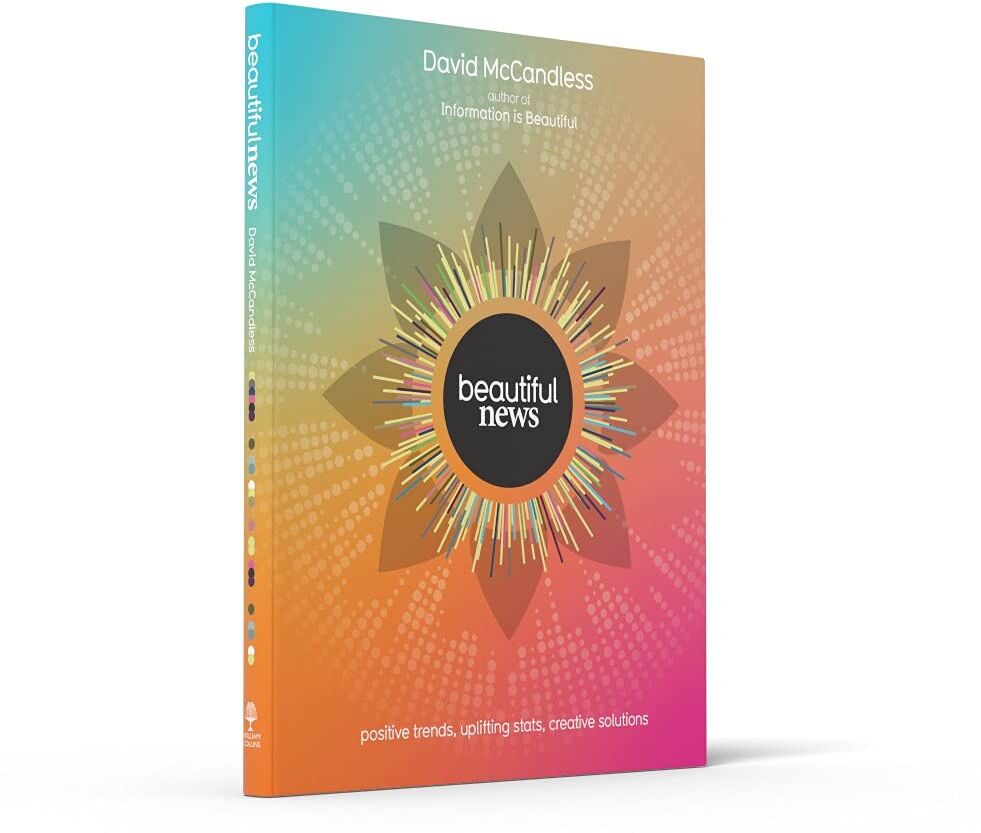
William Collins Beautiful News: Positive Trends, Uplifting Stats, Creative Solutions by David McCandlessIn this fascinating follow-up to the bestselling Information is Beautiful and Knowledge is Beautiful, the king of infographics David McCandless uses spectacular visuals to give us all a bit of good news. We are living in the Information Age, in which we are constantly bombarded with data – on television, in print and online. How can we relate to this mind-numbing overload? Enter David McCandless and his amazing infographics: simple, elegant ways to understand information too complex or abstract to grasp any way but visually. In his unique signature style, he creates dazzling displays that blend facts with their connections, contexts and relationships, making information meaningful, entertaining – and beautiful. In his highly anticipated third book, McCandless illustrates positive news from around the world, for an informative, engaging and uplifting collection of new infographic art.5,99 £*Shipping: 2,99 £Secure redirect to the provider
-
Can organic substances split and combine with other substances?
Yes, organic substances can split and combine with other substances through chemical reactions. For example, organic compounds can undergo processes such as hydrolysis, where they split into smaller molecules by reacting with water. Additionally, organic substances can also combine with other substances through synthesis reactions, where new organic compounds are formed by combining smaller molecules. These chemical reactions are fundamental to the behavior and properties of organic substances in living organisms and in the environment. **
-
Why do substances dissolve in other substances or not?
Substances dissolve in other substances when the intermolecular forces between the solute and solvent are strong enough to overcome the forces holding the solute together. This allows the solute particles to become surrounded by solvent particles and spread out evenly throughout the solvent. On the other hand, substances may not dissolve in a particular solvent if the intermolecular forces between the solute and solvent are not strong enough to overcome the forces holding the solute together, or if the solute and solvent have incompatible polarities. **
-
Which substances float?
Substances that are less dense than the liquid they are placed in will float. This includes materials such as wood, plastic, cork, and ice. **
-
Are colors pure substances or mixtures of substances and why?
Colors are mixtures of substances rather than pure substances. This is because colors are produced by the interaction of different wavelengths of light with the molecules of the material. For example, the color red is produced when an object absorbs all the wavelengths of light except for red, which is reflected back to our eyes. Therefore, colors are the result of a mixture of different wavelengths of light interacting with the molecules of the material, making them mixtures of substances. **
* All prices are inclusive of VAT and, if applicable, plus shipping costs. The offer information is based on the details provided by the respective shop and is updated through automated processes. Real-time updates do not occur, so deviations can occur in individual cases. ** Note: Parts of this content were created by AI.